Superior Pathology

Categories
Uncategorized

10 Benefits & Disadvantages of Digital Pathology

10 Benefits & Disadvantages of Digital Pathology

Digital pathology has emerged as a transformative force in the medical and research communities in recent years. By converting traditional glass slides into high-resolution digital images, this technology allows pathologists to view, analyze, store, and share data in ways once unimaginable. From faster diagnoses to enhanced collaboration across continents, digital pathology offers exciting possibilities for improving patient care and streamlining lab operations.

But with innovation comes complexity. While the advantages are compelling, organizations must also consider challenges—like high upfront costs, IT demands, and regulatory considerations—before adopting a digital workflow.

In this blog, we’ll explore 10 key benefits and disadvantages of digital pathology to help you make an informed decision. Whether you’re a hospital administrator, lab manager, educator, or researcher, understanding the benefits and drawbacks is essential in determining if this technology fits your team or institution.

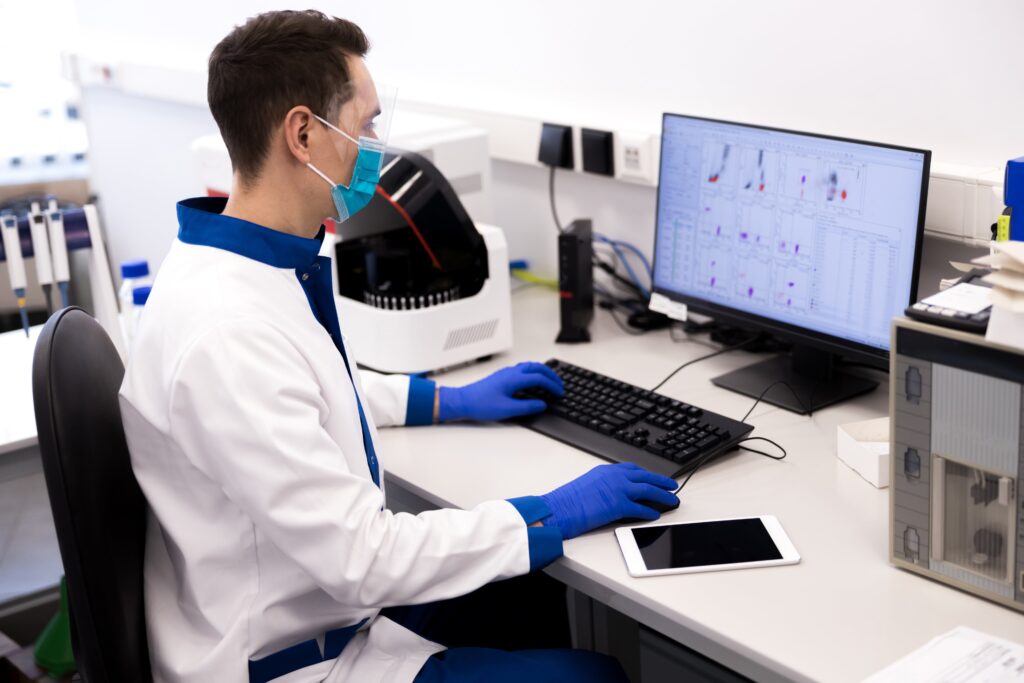
Digital pathology researcher at computer

What is Digital Pathology?

Digital pathology is a cutting-edge approach to pathology that involves converting glass slides into high-resolution digital images. Instead of examining tissue samples under a traditional microscope, pathologists can now view, analyze, and share these images on a computer screen using specialized software. This shift from analog to digital opens the door to a host of modern capabilities in diagnostics, education, and research.   At the core of digital pathology is whole slide imaging (WSI)—a technology that scans entire microscope slides at high magnification and turns them into digital files. These images can then be stored, annotated, zoomed in on, or shared remotely, allowing for greater flexibility and access. Digital pathology is more than just scanning slides—it also includes:
  • Telepathology: the remote review of pathology cases in real time, especially valuable for hospitals in rural or underserved areas.
  • AI-assisted diagnostics: software tools that help identify patterns or anomalies in tissue samples, aiding pathologists in making more accurate and consistent diagnoses.
  • Digital archiving: storing vast amounts of data securely and efficiently without the physical space constraints of traditional slide storage.
This innovative field is revolutionizing how pathology labs operate, enabling quicker turnarounds, better collaboration, and the potential for enhanced diagnostic accuracy. While still an evolving technology, digital pathology represents a significant step forward in modern healthcare and life sciences.

Digital Pathology Benefits

1. Improved Workflow Efficiency

Digital pathology significantly streamlines traditional laboratory workflows. Slides can be scanned, digitized, and accessed within minutes, eliminating the delays in transporting physical specimens. Automation and image management software also reduce repetitive tasks, allowing pathologists to focus more on diagnosis and less on administrative work.

2. Enhanced Collaboration and Remote Access

One of the most powerful advantages of digital pathology is the ability to share cases instantly, regardless of location. Remote consultations, second opinions, and multidisciplinary team meetings become more efficient when everyone can view the same slide in real time. This especially benefits healthcare systems with satellite locations or specialists across regions.

3. Data Storage and Retrieval

With digital pathology, entire slide archives can be stored electronically, minimizing the need for bulky physical storage. Digital records are easy to organize, search, and retrieve, which improves workflow and reduces the risk of lost or damaged specimens. Long-term data retention also supports research, audits, and quality assurance programs.

4. AI Integration and Decision Support

Artificial intelligence and machine learning tools are increasingly integrated into digital pathology platforms. These tools can analyze slides for patterns, detect abnormalities, and even assist in grading tumors or flagging urgent cases. By providing decision support, AI helps improve diagnostic consistency and can serve as a safety net for complex or high-volume workloads.

5. Education and Training Applications

Digital pathology transforms how pathology is taught and learned. Students and residents can access various digital slides from anywhere, allowing for standardized learning experiences across institutions. Educators can also use annotation tools, virtual slide boxes, and real-time slide sharing to enhance engagement and practical training.

Disadvantages of Digital Pathology

1. High Initial Costs

Implementing digital pathology requires significant upfront investment in slide scanners, storage infrastructure, software platforms, and ongoing maintenance. This cost can be a major barrier for smaller labs or institutions with limited budgets. Over time, the system may prove cost-effective, but the initial transition can be financially challenging.

2.Regulatory and Legal Hurdles

Digital pathology systems must comply with strict regulatory standards, such as FDA approval in the U.S. and HIPAA guidelines for data security and patient privacy. Navigating these legal requirements can complicate implementation, especially when sharing images across borders or integrating with existing hospital systems.

3. Image Quality and Compatibility Issues

Not all scanners or software platforms produce the same image quality or use compatible formats, which can cause issues with analysis or sharing. Compression, file size, or scanner calibration may impact the clarity and accuracy of digital slides. This lack of standardization can hinder interoperability across institutions.

4. IT and Cybersecurity Challenges

As digital pathology relies heavily on IT infrastructure, it demands reliable networks, sufficient bandwidth, and secure data storage. The risk of cyberattacks or data breaches is a growing concern in healthcare, and maintaining compliance with security protocols requires continuous oversight and resources. Downtime or system errors could also delay diagnosis.

5. Resistance to Adoption and Training Needs

Some pathologists and lab staff may hesitate to adopt new digital tools, especially those unfamiliar with advanced technology. Transitioning from microscope-based diagnosis to screen-based workflows requires time, training, and mindset shifts. This resistance can slow adoption and reduce system effectiveness without adequate support.

Is Digital Pathology Right For You?

Digital pathology isn’t a one-size-fits-all solution, but it offers game-changing advantages for many healthcare and research environments. Whether it’s the right fit depends on your organization’s goals, scale, and existing infrastructure. Digital pathology could be a wise investment if you’re looking to improve diagnostic turnaround times, enable remote collaboration, or integrate AI tools into your workflow. However, before making the transition, weighing the initial costs and the readiness of your team or facility is essential. The following individuals and organizations are especially well-positioned to benefit from digital pathology systems:
  • Large hospitals and medical centers seeking faster diagnostics and multi-departmental collaboration
  • Independent pathology labs handling high case volumes or operating in multiple locations
  • Telemedicine and telepathology providers who need remote slide access for consultations
  • Medical schools and teaching hospitals aiming to modernize training with virtual microscopy
  • Pharmaceutical companies and CROs conducting research that requires scalable slide analysis
  • Cancer centers and specialty clinics working with complex or rare pathology cases that benefit from AI assistance
  • Academic researchers building digital tissue libraries for clinical or epidemiological studies
  • Innovative health tech companies integrating AI-powered diagnostic tools with imaging platforms
Ultimately, digital pathology best suits organizations ready to invest in long-term innovation, collaboration, and data-driven care.

Pair Your Digital Pathology System with Reliable FFPE Tissues

Digital pathology is revolutionizing how tissue samples are analyzed, shared, and stored, bringing greater speed, precision, and collaboration to the field of diagnostic medicine. The benefits of digital pathology are clear, from improved workflow efficiency to AI-assisted diagnostics. However, weighing these against potential disadvantages, such as cost, infrastructure needs, and regulatory requirements, is important. As the industry evolves, digital pathology will become even more powerful when paired with high-quality sample sources. Formalin-fixed, paraffin-embedded (FFPE) tissue samples remain essential for both traditional and digital pathology workflows, providing the stability and integrity needed for accurate analysis.

That’s where biobanks like Superior Biodiagnostics come in. As a trusted provider of FFPE tissue samples, Superior Biodiagnostics offers well-preserved, ethically sourced normal, disease-state, and malignant specimens to support research, diagnostics, and clinical advancements. Whether you’re implementing a digital pathology system or conducting biomarker discovery, having access to reliable tissue samples is key to ensuring success. Order from Superior BioDiagnostics to receive the highest quality tissue samples you need.

By combining cutting-edge technology with trusted biological materials, the future of pathology is not only digital but also more connected, scalable, and impactful than ever before.

Categories
Uncategorized

Epigenetic Biomarkers in Cancer Research

Epigenetic Biomarkers in Cancer Research

As our understanding of cancer continues to evolve, one of the most exciting frontiers in oncology is the study of epigenetic biomarkers. While genetic mutations have long been at the heart of cancer research, scientists now recognize that the way genes are regulated—without changes to the underlying DNA sequence—plays an equally critical role in cancer development and progression. These heritable yet reversible changes are known as epigenetic modifications, and they give rise to what we call epigenetic biomarkers.


From early detection to predicting treatment responses, epigenetic biomarkers in cancer are transforming how we diagnose, monitor, and manage this complex disease. In this article, we’ll explore what epigenetic biomarkers are, why they matter, and how they are reshaping the landscape of cancer diagnostics and therapy.

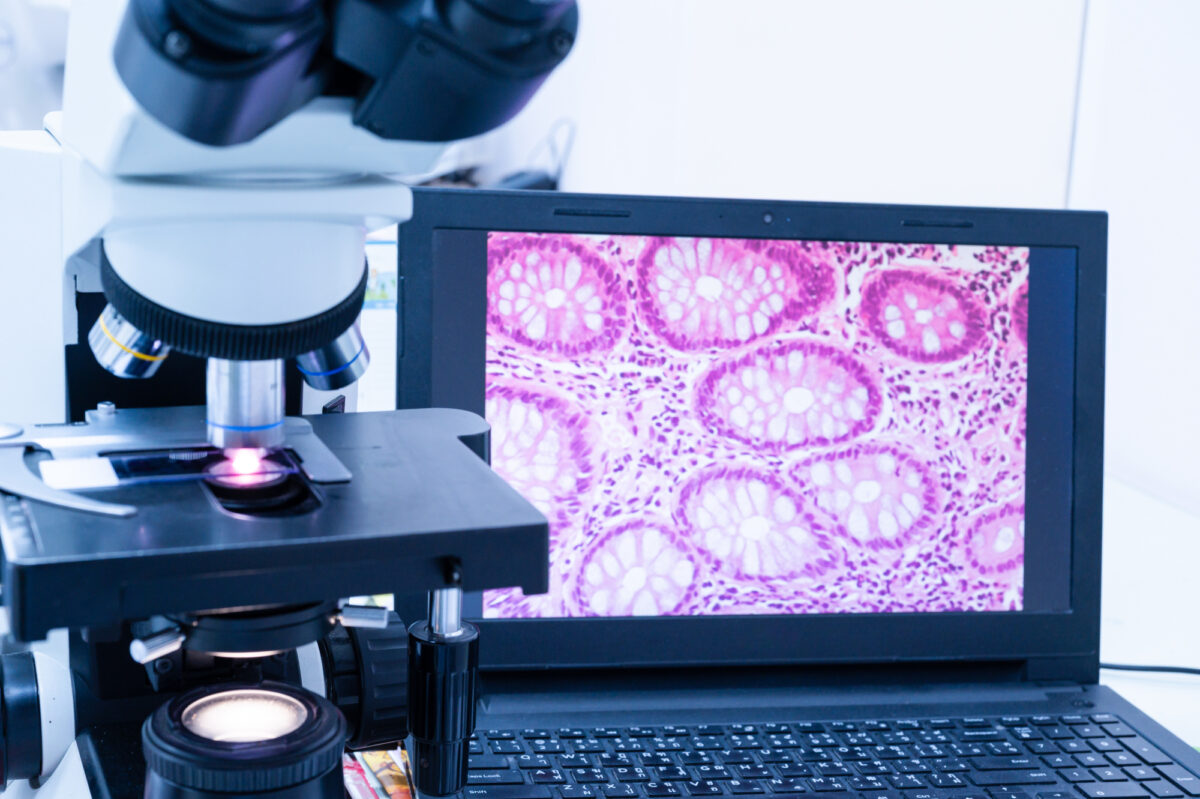
Cancer researcher looking at epigenetic biomarkers under microscope

What Are Epigenetic Biomarkers?

Epigenetic biomarkers are measurable changes to gene expression or chromatin structure that do not involve alteration of the DNA sequence itself. Unlike genetic mutations, which are permanent changes to the genome, epigenetic modifications can be dynamic and reversible. This makes them particularly intriguing for cancer research and therapeutics. The most common types of epigenetic changes include:

  • DNA Methylation: The addition of methyl groups to DNA, typically at cytosine-phosphate-guanine (CpG) sites. In many cancers, hypermethylation of tumor suppressor genes leads to their silencing, while hypomethylation can activate oncogenes.
  • Histone Modifications: Chemical changes to the proteins around which DNA is wound, affecting how tightly or loosely genes are packaged and thus their accessibility for transcription. 
  • Non-coding RNAs: These RNA molecules don’t code for proteins but regulate gene expression post-transcriptionally.

When these epigenetic alterations occur consistently in cancer cells, but not in normal tissues, they become valuable epigenetic biomarkers and diagnostic tools.

The Importance of Epigenetic Biomarkers in Cancer

So why are epigenetic biomarkers in cancer gaining so much attention? Cancer is fundamentally a disease of dysregulated gene expression. While genetic mutations certainly contribute, many cancers are actually driven or worsened by epigenetic changes that silence crucial protective genes or activate harmful pathways. What makes epigenetic biomarkers particularly valuable is that these changes often occur early in tumor development, serving as sensitive indicators of disease long before structural abnormalities appear on imaging or physical symptoms begin. 


Epigenetic biomarkers provide a wealth of critical insights that can transform patient care. They play a key role in early detection by revealing abnormal methylation patterns that may indicate cancer even before cells become fully malignant. They also help inform prognosis, as certain epigenetic profiles are linked to more aggressive disease and poorer outcomes, allowing clinicians to better stratify patients by risk. Additionally, tumors with specific epigenetic alterations often respond differently to targeted therapies, making these biomarkers essential for tailoring personalized treatment plans. Finally, because epigenetic changes can frequently be detected in circulating DNA, they offer a powerful, non-invasive way to monitor patients for residual disease or signs of recurrence, helping guide ongoing management and intervention strategies.

Epigenetic Biomarkers and Diagnostics: Transforming Cancer Care

The use of epigenetic biomarkers and diagnostics in cancer is already moving from research into clinical practice. Several tests that evaluate DNA methylation are now FDA-approved or under investigation. For example, the SEPT9 methylation assay is approved for colorectal cancer screening. This test detects methylated DNA circulating in the blood, offering a less invasive alternative to colonoscopy. Similarly, methylation patterns in the MGMT gene promoter help determine whether patients with glioblastoma are likely to benefit from alkylating chemotherapy agents.


Beyond single-gene assays, new platforms are emerging that profile the methylation status of hundreds or thousands of genes simultaneously. These comprehensive epigenetic tests can reveal intricate patterns that distinguish between cancer types or subtypes, guide treatment choices, and even predict which patients might relapse.


The implications are enormous. Instead of relying solely on tissue biopsies—which are invasive, costly, and sometimes risky—clinicians can use blood, urine, or saliva samples to glean detailed information about a tumor’s epigenetic landscape. This is often referred to as a “liquid biopsy,” and it holds promise for revolutionizing how we detect and monitor cancer.

Advantages of Epigenetic Biomarkers Over Traditional Genetic Biomarkers

While genetic mutations have long been at the heart of cancer research, epigenetic biomarkers bring a range of compelling advantages that are reshaping how scientists and clinicians approach diagnosis and treatment. One of the most significant benefits is that epigenetic changes often occur before genetic mutations or visible structural abnormalities, allowing them to signal cancer risk or presence much earlier in the disease process. This makes them powerful tools for early detection, potentially catching cancer at a stage when it is most treatable. 

Another advantage lies in their reversibility. Unlike permanent genetic mutations, epigenetic modifications can often be reversed, which opens up unique therapeutic opportunities. Drugs that specifically target DNA methylation or histone acetylation are already in use for certain cancers, underscoring the clinical value of this characteristic. Epigenetic biomarkers also tend to show strong tissue or tumor specificity, offering precise clues about the cancer’s origin and enabling more accurate diagnoses.

Perhaps most importantly for patients, many epigenetic biomarkers can be detected through non-invasive methods, such as blood or urine tests. This makes them especially well-suited for regular screening and ongoing monitoring, reducing the need for invasive biopsies while still providing detailed information about disease status and progression.

How Superior BioDiagnostics Supports Epigenetic Biomarker Research

For researchers and pharmaceutical companies working to bring new epigenetic assays and therapies to market, access to high-quality tissue samples is critical. This is where a professional biobank comes in. 

At Superior BioDiagnostics, we specialize in providing rigorously prepared FFPE (Formalin-Fixed Paraffin-Embedded) tissue samples and related biospecimens that support cutting-edge research into epigenetic biomarkers in cancer. Our samples come from diverse patient populations and are accompanied by rich clinical data, enabling robust investigations into how epigenetic patterns correlate with disease progression, treatment response, and patient outcomes.

Whether you’re developing new diagnostic assays that rely on DNA methylation profiling, validating biomarkers for a clinical trial, or exploring novel epigenetic drug targets, Superior BioDiagno

The Future of Epigenetic Biomarkers in Cancer Research

Looking ahead, the field of epigenetics promises to reshape nearly every facet of oncology. As sequencing technologies become faster and more affordable, comprehensive epigenomic profiling is likely to become a routine part of cancer care.

Imagine a future where your doctor can detect the earliest whisper of cancer through a simple blood draw, analyzing a panel of epigenetic biomarkers that reveal not only the presence of disease but its aggressiveness, likely response to therapies, and potential for recurrence. Or consider the power of tailoring treatment precisely to your tumor’s unique epigenetic fingerprint, maximizing efficacy while minimizing side effects. Research is also exploring how lifestyle and environmental factors may influence epigenetic patterns, opening doors to prevention strategies that are personalized based on your own epigenetic risks.

Partner with Superior BioDiagnostics to Advance Epigenetic Cancer Research

If your team is working on the next generation of epigenetic biomarkers and diagnostics, you need a partner who understands the critical importance of quality, diversity, and clinical relevance in biospecimens. At Superior BioDiagnostics, we’re dedicated to fueling groundbreaking discoveries that translate into better detection, more effective treatments, and improved outcomes for cancer patients worldwide. Ready to take your research to the next level? Order high-quality FFPE samples and biospecimens from Superior BioDiagnostics today. Together, we can accelerate the future of precision oncology.

Categories
Uncategorized

Epigenetic Modifications and FFPE Tissue Research

Epigenetic Modifications and FFPE Tissue Research

In the field of molecular biology and biomedical research, the concept of epigenetic modification has become a central focus. As scientists continue to uncover the intricacies of gene expression and regulation, understanding these modifications is essential—not only for basic science, but also for applications in oncology, developmental biology, and personalized medicine.

One key resource in this field is FFPE (Formalin-Fixed Paraffin-Embedded) tissue, which offers a vast archive of preserved biological samples. These samples are invaluable in retrospective studies and large-scale analysis. When paired with advances in epigenetics, FFPE tissue opens the door to powerful insights into disease progression, treatment outcomes, and the long-term impacts of environmental factors on gene expression. Let’s explore what epigenetic modifications are, discuss epigenetic modification examples, and delve into how FFPE tissue research is shaping the future of biomedical discovery.

Epigenetic modification

What Are Epigenetic Modifications?

To understand epigenetic modifications, it helps to start with a basic premise: every cell in the body contains the same DNA, yet not all genes are active in every cell. Why? Gene expression is tightly regulated by factors beyond the DNA sequence itself. These factors, which influence how and when genes are turned on or off, are known as epigenetic mechanisms.

In simple terms, epigenetic modifications are chemical changes to the DNA molecule or the proteins surrounding DNA (called histones) that affect gene activity without altering the actual genetic code. These modifications can either activate or silence genes and are crucial in cell differentiation, development, and response to environmental changes.

The most common epigenetic modification examples include: 

  • DNA Methylation: The addition of a methyl group to DNA, typically at cytosine bases. This often suppresses gene expression.
  • Histone Modification: Includes acetylation, methylation, phosphorylation, and ubiquitination of histone proteins, which affect how tightly DNA is wound and how accessible it is for transcription.
  • Non-coding RNA: While not a chemical modification per se, non-coding RNAs can regulate gene expression post-transcriptionally and interact with other epigenetic systems. 

These changes are dynamic and reversible, making them a promising target for therapeutic intervention in diseases like cancer, autoimmune disorders, and neurological conditions.

Why Epigenetic Modifications Matter in Research

Understanding epigenetic modifications is essential because they offer crucial insights into how genes behave under various conditions. In the realm of disease detection and prognosis, researchers have found that abnormal epigenetic patterns often signal the presence or risk of disease. A prime example is the hypermethylation of tumor suppressor genes, which frequently appears in many cancers. These patterns can help identify diseases early and predict their progression.

In drug development, targeting epigenetic changes has opened new doors for therapeutic intervention. Medications such as DNA methyltransferase inhibitors and histone deacetylase inhibitors are already in clinical use, particularly in oncology. By further exploring how epigenetic mechanisms influence gene behavior, researchers are discovering novel targets that could significantly improve treatment outcomes.

The environment and lifestyle choices also profoundly affect the epigenome. Factors like stress, diet, and toxin exposure can cause lasting epigenetic changes. By studying these influences, scientists gain a better understanding of how our surroundings impact long-term health and even influence future generations.

Additionally, epigenetic profiles are being used to advance personalized medicine. Because these profiles vary from person to person, they offer a highly tailored approach to healthcare. This is especially impactful in oncology, where understanding a tumor’s specific epigenetic landscape allows clinicians to make more informed decisions about treatment plans.

FFPE Tissue: A Treasure Trove for Epigenetic Research

Formalin-Fixed Paraffin-Embedded tissue has been a cornerstone of clinical and research archives for decades. These samples, preserved through formalin fixation and embedded in paraffin wax, maintain the structural integrity of tissue for long-term storage and analysis. Their value in epigenetic modification research cannot be overstated. 

One of the most significant advantages of FFPE samples is their widespread availability. Hospitals and institutions around the world maintain extensive archives, some containing samples preserved over decades. This wealth of material makes it possible to conduct retrospective studies that examine how epigenetic changes evolve over time or in response to specific treatments across diverse populations.

FFPE tissue also holds immense clinical relevance. These samples are often linked to comprehensive patient records, enabling researchers to connect epigenetic data with real-world health outcomes. By analyzing these connections, scientists can better understand disease characteristics and the effectiveness of different therapies.


Even though the FFPE process involves chemical treatment that can modify nucleic acids, advances in laboratory techniques have made it possible to analyze epigenetic modifications with a high degree of reliability. DNA methylation and histone modifications, in particular, can now be studied effectively even in older archived tissues, allowing researchers to extract meaningful data from a sample type once considered too degraded for such analysis.

Challenges and Solutions in Using FFPE for Epigenetic Studies

Despite their usefulness, FFPE tissues present several challenges for those studying epigenetic modifications. One major concern is DNA degradation. The formalin used in preservation can cause crosslinking and fragmentation of DNA strands, which complicates downstream analysis. Another issue is the introduction of artifacts during the fixation process. These chemical changes can sometimes mimic true epigenetic modifications, potentially leading to false interpretations. Additionally, there’s variability in sample quality. Older specimens may have been stored under less-than-ideal conditions, affecting the integrity of the material and the reliability of results.

However, modern research techniques have evolved to overcome these limitations. Specialized extraction methods and optimized bisulfite conversion protocols for DNA methylation studies are now widely available. Quality control measures are routinely implemented to assess the usability of FFPE samples before analysis begins. These advances mean that researchers can generate high-quality, reproducible data, even from tissue blocks preserved many years ago.

Epigenetic Modification Examples in FFPE-Based Studies

Several groundbreaking studies illustrate how FFPE samples are being used to uncover meaningful epigenetic insights. In breast cancer research, scientists have observed hypermethylation in the BRCA1 promoter region within FFPE breast tumor tissues. This discovery has implications not just for identifying hereditary cancer risks, but also for predicting how tumors may respond to different therapies. 

In studies of glioblastoma, DNA methylation profiling of FFPE brain tumor tissue has proven valuable in stratifying patients and forecasting survival outcomes. This kind of data provides clinicians with more precise tools for diagnosis and treatment planning.

Colorectal cancer research has also benefited from FFPE-based epigenetic studies. Researchers have used these archived samples to analyze histone modification patterns, allowing them to differentiate between more and less aggressive forms of the disease. These findings are helping shape new prognostic models and inform clinical decisions.

Together, these examples demonstrate the vital role FFPE tissue plays in advancing our understanding of cancer biology. They show how archived tissue, when combined with modern epigenetic techniques, is helping researchers unlock answers that improve patient care and fuel medical innovation. 

Looking Ahead: The Future of Epigenetic Research with FFPE Samples

The combination of epigenetics and FFPE tissue research is a rapidly evolving field with massive potential. As sequencing technologies become faster, cheaper, and more precise, the ability to analyze epigenetic modifications in archived tissue will become a cornerstone of clinical research and diagnostic innovation. 

Projects like the Human Epigenome Project and large-scale cancer epigenome atlases are increasingly relying on FFPE repositories to build comprehensive datasets. These initiatives will help identify novel biomarkers, understand complex disease pathways, and bring personalized medicine to the forefront.

Moreover, epigenetic changes may soon become part of routine clinical screening, especially in oncology, where a simple biopsy stored as FFPE can unlock detailed insights about a tumor’s behavior and likely trajectory.

Order High-Quality FFPE Samples for Epigenetic Research

If you’re a researcher looking to delve deeper into the world of epigenetic modifications, having access to reliable, high-quality FFPE tissue samples is critical. That’s where Superior BioDiagnostics comes in.

At Superior BioDiagnostics, we provide meticulously prepared healthy and disease-state FFPE samples to meet the needs of modern researchers working in molecular biology, oncology, pharmacogenomics, and more. Our specimens undergo rigorous quality checks to ensure integrity and reproducibility for applications such as DNA methylation analysis, chromatin immunoprecipitation, and next-gen sequencing. Are you ready to elevate your epigenetic research? 

Order now from Superior BioDiagnostics and gain access to premium FFPE tissue samples that meet the demands of your most challenging studies. Whether you’re investigating cancer biomarkers, validating epigenetic signatures, or developing new diagnostic tools, our team is here to support your research every step of the way.

Categories
Uncategorized

Next-Generation Sequencing and FFPE: Unlocking Genomic Insights

Next-Generation Sequencing and FFPE: Unlocking Genomic Insights

In recent years, advancements in genomic research accelerated at an astonishing pace, with next-generation sequencing (NGS) playing a central role in this revolution. For researchers and clinicians working with preserved tissue samples, the combination of NGS and formalin-fixed paraffin-embedded (FFPE) tissue has opened new doors in cancer research, disease diagnostics, and therapeutic development. Let’s explore the evolving intersection of next-generation DNA sequencing, FFPE samples, and how they are helping scientists unlock the secrets of human biology. 

With the widespread availability of formalin-fixed paraffin-embedded (FFPE) tissue samples, researchers and pathologists now have a practical and powerful tool for investigating the tumor microenvironment and its immune-specific counterpart, the tumor immune microenvironment. In this blog, we explore how FFPE samples are being used to unlock the spatial, cellular, and molecular dynamics of the tumor microenvironment.

Representation of next-generation DNA sequencing

What is Next-Generation Sequencing?

Next-generation sequencing refers to a suite of technologies that allow for the high-throughput analysis of DNA and RNA. Unlike traditional Sanger sequencing, which sequences DNA one fragment at a time, next-generation DNA sequencing can process millions of fragments simultaneously. This allows researchers to gain a comprehensive view of genetic material more efficiently, accurately, and affordably than ever before. 

The technology has made it possible to perform complex tasks like whole genome sequencing—analyzing an organism’s entire DNA sequence in one go—and transcriptomic analysis, which reveals how genes are expressed across different tissues and conditions.

In practical terms, NGS has become essential in fields like oncology, pathology, infectious disease, and pharmacogenomics. However, its power increases exponentially when paired with the vast repositories of FFPE tissue samples collected in clinical settings.

The Role of FFPE Tissue in Genomic Research

Formalin-fixed paraffin-embedded (FFPE) tissue is the standard method for long-term preservation of clinical biopsy and surgical specimens. FFPE samples are incredibly valuable for retrospective studies, allowing researchers to correlate genomic data with historical clinical outcomes.

However, extracting high-quality nucleic acids from FFPE tissue presents challenges due to the chemical cross-linking and degradation that occur during the fixation process. Fortunately, innovations in NGS library preparation, bioinformatics, and tissue processing have made it increasingly feasible to extract reliable DNA and RNA for next-generation sequencing. This has made FFPE-compatible NGS a game-changer in both research and clinical environments.

FFPE and Whole Genome Sequencing: A Retrospective Powerhouse

Whole genome sequencing provides an unbiased, comprehensive view of the entire genome, capturing both coding and non-coding regions. When paired with FFPE samples, it enables researchers to: 

  • Identify mutations and structural variations that may have contributed to disease progression.
  • Study rare genetic disorders using archival tissue.
  • Examine tumor heterogeneity over time by analyzing serial biopsies. 

The ability to perform whole-genome sequencing on FFPE samples is especially valuable in cancer genomics. It helps pathologists and oncologists detect actionable mutations, resistance mechanisms, and hereditary cancer risk—insights that directly influence patient care and treatment decisions.

Transcriptomic Analysis in FFPE Samples: Measuring Gene Expression

Transcriptomic analysis refers to the study of RNA transcripts that the genome produces under specific conditions. It provides essential insights into which genes are active or suppressed, and the extent to which they are expressed. In recent years, next-generation sequencing (NGS) has made transcriptomic analysis in FFPE samples more accessible and reliable.

Researchers now frequently use NGS-based transcriptomic analysis to characterize tumor subtypes through detailed gene expression profiling. This approach also helps identify both prognostic and predictive biomarkers, which are critical for understanding disease progression and guiding treatment strategies. Additionally, transcriptomic data derived from FFPE samples contribute significantly to unraveling the molecular mechanisms underlying various diseases.

While working with RNA from FFPE tissues can be technically challenging due to degradation during the fixation process, modern extraction protocols and advanced library preparation kits have significantly improved RNA sequencing outcomes. As a result, archived FFPE samples can now be used in retrospective studies to uncover gene expression patterns that correlate with patient responses or clinical outcomes.

Why FFPE-NGS Integration Matters

The integration of FFPE tissue with next-generation sequencing technologies bridges the gap between clinical practice and molecular research. This synergy provides several key advantages:

1. Retrospective Research Potential

FFPE tissue banks around the world house millions of preserved samples. When combined with NGS, these samples become a treasure trove for genomic discovery and validation.

2. Improved Diagnostic Accuracy

Next-generation DNA sequencing of FFPE samples allows clinicians to detect genetic mutations with a high degree of sensitivity and specificity, even from small or degraded samples.

3. Personalized Medicine

NGS enables the tailoring of therapies based on an individual’s genomic profile. FFPE-derived NGS data supports precision oncology and other fields where targeted therapies are rapidly evolving.

4. Cost and Time Efficiency

Leveraging existing FFPE samples for genomic studies eliminated the need for fresh tissue, reducing both costs and logistical barriers.

Overcoming Challenges in FFPE-NGS

Despite the remarkable benefits of combining FFPE samples with next-generation sequencing, several obstacles remain. One of the most common issues is the degradation of nucleic acids; the formalin fixation process tends to fragment and chemically modify the amount of usable material for sequencing. Furthermore, the complex nature of FFPE-derived sequences requires sophisticated bioinformatics tools to process and interpret the data effectively, due to the presence of crosslinked and fragmented nucleic acids.

To address these challenges, Superior BioDiagnostics applies optimized extraction methods and uses cutting-edge sequencing platforms specifically tailored for FFPE samples. With a team of skilled experts and a focus on quality at every stage, Superior BioDiagnostics is equipped to produce high-quality genomic data even from degraded or difficult specimens.

Applications of FFPE-Enabled Next Generation

The integration of FFPE samples with next-generation DNA sequencing is revolutionizing research across several fields. In cancer genomics, for example, scientists can now profile tumors by identifying somatic mutations, gene fusions, and copy number variations directly from archived tissue. In neurology, researchers study the molecular underpinnings of neurodegenerative diseases using historical brain specimens, gaining insights that were previously inaccessible.

Immunology also benefits from this approach, with scientists now able to explore gene expression patterns within the immune system using preserved tissues. Even in infectious disease research, FFPE samples allow for the identification of pathogen genomes in older tissue collections, offering new perspectives on disease outbreaks and transmission.

Across all of these disciplines, transcriptomic analysis and whole genome sequencing of FFPE tissue are delivering unprecedented insight into the biology, development, and potential treatment of a wide range of conditions.

The Future of FFPE and NGS

As next-generation sequencing technologies continue to evolve, so do the possibilities for extracting meaningful, actionable data from challenging sample types like FFPE. Advances in extraction chemistries, the increasing fidelity of sequencing instruments, and powerful bioinformatics platforms have transformed FFPE tissue from a problematic material into a valuable resource.

For institutions like hospitals, research universities, and biotech companies, this evolution means that massive archives of preserved tissue samples are no longer static collections—they’re dynamic reservoirs of untapped genomic information. Unlocking this potential could lead to breakthroughs in diagnostics, drug development, personalized therapies, and our broader understanding of human health.

Partner with Superior BioDiagnostics to Maximize Your FFPE Sample Potential

At Superior BioDiagnostics, we combine clinical precision with research-driven innovation to transform both malignant and normal FFPE tissue samples into actionable genomic insights. Whether you’re working with archived cancer specimens or healthy tissue controls, our proprietary products and optimized workflows are designed to ensure high-quality nucleic acid extraction and sequencing performance, even from the most degraded samples. 

Our team brings deep expertise in next-generation sequencing, including transcriptomic analysis and whole-genome sequencing, and we’re equipped to handle a wide range of applications—from retrospective studies to clinical biomarker validation. With a full suite of customized services and specialized reagents developed in-house, Superior BioDiagnostics empowers you to maximize value from your FFPE samples. Are you ready to unlock the full potential of your FFPE samples with next-generation sequencing? Contact Superior BioDiagnostics today and discover how our team can support your next genomic research breakthrough. 

Categories
Uncategorized

Exploring the Tumor Microenvironment with FFPE Samples

Exploring the Tumor Microenvironment with FFPE Samples

Understanding the tumor microenvironment is critical to advancing cancer research, diagnostics, and treatment strategies. The complex network of cells, signaling molecules, and structural components surrounding a tumor can either suppress or support cancer progression and offers valuable insights into therapeutic response and resistance.

With the widespread availability of formalin-fixed paraffin-embedded (FFPE) tissue samples, researchers and pathologists now have a practical and powerful tool for investigating the tumor microenvironment and its immune-specific counterpart, the tumor immune microenvironment. In this blog, we explore how FFPE samples are being used to unlock the spatial, cellular, and molecular dynamics of the tumor microenvironment.

3D Rendering of Tumor Microenvironment

What is the Tumor Microenvironment (TME)?

The tumor microenvironment refers to a complex ecosystem of cells and extracellular matrix (ECM) surrounding a tumor. It is a constantly evolving entity, including various cellular components, such as immune cells, endothelial cells, pericytes, and fibroblasts, and non-cellular elements like signaling molecules or blood vessels. These components don’t only exist outside the tumor; they actively influence its behavior.

According to Sammy Ferri-Borgogno, Ph.D., instructor in Gynecologic Oncology, the tumor microenvironment can be compared to a yard and neighborhood, “You can think of the tumor as a house and the microenvironment as its yard and its neighborhood. The house is surrounded by a little ecosystem, and whatever happens in that yard or neighborhood impacts the house. Similarly, what happens in the house impacts the yard.” For example, the house will flood if the yard doesn’t properly drain after a heavy rainstorm. In cancer, when a tumor cell grows uncontrollably, it utilizes the microenvironment to grow exponentially faster and spread, creating more tumors. 

The TME contributes to tumor growth, angiogenesis, immune suppression, and metastasis. It also modulates how tumors respond—or don’t respond—to therapy. As a result, TME profiling is becoming essential in basic cancer research and clinical oncology.

The Tumor Immune Microenvironment: What it is & How it Contributes to Research

A crucial subset of the TME, the tumor immune microenvironment (TIME) refers explicitly to the immune cells and immune-related molecules present within and around the tumor. This includes T cells, B cells, natural killer (NK) cells, tumor-associated macrophages, dendritic cells, and various cytokines and chemokines.

The TIME can either suppress or support tumor growth, depending on the balance of immune-activating versus immune-suppressive factors. For example, a TIME rich in cytotoxic T lymphocytes (CTLs) is typically associated with better prognosis, while one dominated by regulatory T cells or M2 macrophages may promote immune evasion.

Understanding the composition and behavior of the TIME is central to:

  • Evaluating prognosis
  • Predicting response to immunotherapy (like checkpoint inhibitors)
  • Designing new immune-targeted treatments

Why Use FFPE Samples to Study the Tumor Microenvironment?

FFPE tissue samples are a cornerstone of pathology and translational research, offering a stable and well-preserved format for investigating both the tumor microenvironment and the tumor immune microenvironment. Their abundance in clinical archives and biobanks enables large-scale, retrospective studies that would be difficult or impossible with fresh or frozen tissue alone.

FFPE samples are particularly well-suited for studying the TME and TIME because they preserve tissue architecture, allowing researchers to analyze cellular interactions and spatial relationships. This spatial context is essential when characterizing immune infiltration patterns, tumor-stroma boundaries, and microanatomical niches that influence therapeutic response.

Furthermore, advancements in FFPE-compatible technologies—such as multiplex immunohistochemistry (mIHC), RNA in situ hybridization, digital pathology with AI-based image analysis, and spatial transcriptomics—have made it possible to extract detailed molecular and cellular insights from these archival tissues. Researchers can now perform immune profiling, gene expression analysis, and precise spatial mapping of tumor-immune dynamics, all from a single FFPE slide.

In short, FFPE samples provide a robust, practical platform for decoding the complex biology of the TME and TIME, bridging the gap between histopathology and systems-level cancer research.

4 Methods for TME Analysis in FFPE Samples

Several innovative technologies now enable researchers to explore the tumor microenvironment in great detail using FFPE tissue. These include:

1. Immunohistochemistry (IHC) and Multiplex IHC

Standard and multiplex IHC are staple methods for visualizing protein expression and localization within the TME. Multiplexing allows for the simultaneous detection of multiple cell markers, enabling the profiling of immune cell types, stromal markers, and checkpoint proteins within the same tissue section.

2. RNA Sequencing and Targeted Gene Panels

While RNA degradation was once a limitation, newer kits and extraction protocols allow for robust RNA-seq and targeted transcriptomic profiling from FFPE samples. This is especially valuable for studying gene expression signatures in the TME.

3. Spatial Transcriptomics

Cutting-edge spatial omics platforms are compatible with FFPE tissue, allowing researchers to maintain tissue architecture while mapping gene expression at single-cell or sub-cellular resolution. This helps reveal how gene expression patterns vary across different microenvironmental niches.

4. Digital Pathology and AI-Driven Image Analysis

Digital pathology software, often powered by machine learning, can quantify TME features in FFPE slides. This includes identifying immune cell populations, calculating tumor-to-stroma ratios, and recognizing spatial patterns correlating with clinical outcomes.

4 Potential Challenges of Using FFPE Samples For Tumor Microenvironment Research

While FFPE samples are highly valuable, researchers should be aware of a few limitations and how to navigate them:

  1. Nucleic Acid Degradation: Formalin fixation can fragment and chemically modify RNA and DNA. However, advances in extraction kits and targeted sequencing panels have made retrieving high-quality data from FFPE-preserved nucleic acids possible.
  2. Antigen Retrieval Variability: Formalin can mask epitopes, which complicates immunohistochemistry. Optimizing antigen retrieval protocols, such as heat-induced epitope retrieval (HIER), can improve consistency and reliability across batches.
  3. Data Interpretation Complexity: The TME is highly heterogeneous. Interpreting spatial data or multiplex protein expression requires robust computational tools and controls to avoid overfitting or misclassification.
  4. Standardization: Differences in fixation time, storage conditions, and block age can influence downstream analysis. Whenever possible, standardized processing protocols and internal controls should be used to minimize variability.

Despite these challenges, the sheer volume and accessibility of FFPE samples, paired with modern tools, make them indispensable for TME studies.

FFPE Samples—A Gateway to Unlocking the Tumor Microenvironment

FFPE samples offer a unique window into the tumor microenvironment, providing preserved tissue architecture, long-term stability, and broad compatibility with cutting-edge technologies. Whether you’re conducting cancer biomarker discovery, immune profiling, or spatial transcriptomics, FFPE samples remain a gold-standard resource for TME research. With the proper protocols and analytical tools, archived FFPE tissues can yield insights that push the boundaries of oncology, immunology, and precision medicine.

If you need high-quality FFPE tissue for tumor microenvironment research, stock up on samples from Superior BioDiagnostics. We have normal, malignant, and disease-state FFPE tissue samples from various anatomical sites for your research. At Superior BioDiagnostics, we prioritize quality and efficiency, ensuring you receive what you need in top condition promptly. Contact us to order your FFPE samples today.

Categories
Uncategorized

Protein Expression: Key Insights for FFPE Sample Research

Protein Expression: Key Insights for FFPE Sample Research

In the world of molecular biology, understanding protein expression is fundamental to unlocking the mysteries of disease mechanisms, identifying biomarkers, and developing new therapies. When working with formalin-fixed, paraffin-embedded (FFPE) samples, researchers face unique challenges and opportunities in analyzing gene expression and protein synthesis. These preserved tissue samples are a goldmine of biological information—if you know how to access and interpret them correctly.

Let’s explore the science behind protein expression, how recombinant protein expression is used in conjunction with FFPE samples, what to consider during protein expression induction, and how to overcome common obstacles in FFPE research together.

Protein expression diagram

What is Protein Expression?

Protein expression refers to the process by which proteins are synthesized, modified, and regulated within living organisms. It begins at the genetic level with gene expression, where DNA is transcribed into messenger RNA (mRNA). The mRNA is then translated by ribosomes to produce specific proteins.

These proteins are the workhorses of the cell, responsible for catalyzing biochemical reactions, providing structural support, regulating cell communication, and defending against pathogens. Any abnormalities in this process can lead to serious health conditions, including cancer, autoimmune diseases, and neurodegenerative disorders.

When you analyze FFPE samples, you’re essentially looking at a snapshot of this biological process frozen in time. The key is to retrieve and interpret the data accurately despite the challenges of fixation and long-term storage.

Protein Expression in FFPE Samples

FFPE samples are widely used in research and diagnostics because they preserve tissue morphology and cellular detail over long periods. However, the formalin fixation process can cause crosslinking between proteins and nucleic acids, which may alter protein conformation and impact detection.

To accurately analyze protein expression in FFPE samples, researchers often use techniques such as:

  • Immunohistochemistry (IHC) uses antibodies to detect and visualize proteins within the tissue.
  • Mass spectrometry (MS) enables proteomic profiling, albeit with more preparation.
  • RT-PCR and qPCR are primarily used for mRNA and offer an indirect insight into protein levels.

The selection of antibodies, antigen retrieval methods, and sample preparation protocols significantly influences the quality and reproducibility of your results.

Challenges of Protein Expression Analysis in FFPE Samples

Analyzing gene expression and protein synthesis in FFPE tissues presents several notable challenges that researchers must carefully navigate. One major issue is protein degradation, which can occur due to the long-term storage and the harsh conditions involved in the formalin fixation process. These factors can lead to partial breakdown of proteins, making them more difficult to study accurately. Additionally, epitope masking is a common obstacle. The cross-linking of protein and other cellular components during fixation can obscure important antibody-binding sites, reducing the effectiveness of detection methods like immunohistochemistry. There’s also the matter of variability in sample quality—inconsistencies in fixation time, tissue thickness, and paraffin embedding techniques can result in uneven results across different specimens.

To address these complications and ensure reliable outcomes, it’s crucial to work with high-quality FFPE samples and well-validated protocols. Professional biobanks offer rigorously tested, standardized FFPE tissue blocks that help minimize variability and enhance the consistency of protein expression analysis, giving researchers greater confidence in their results.

Recombinant Protein Expression and FFPE Research

Recombinant protein expression plays an essential role in validating findings from FFPE samples. In this method, DNA coding for a protein of interest is inserted into an expression system—commonly bacterial, yeast, insect, or mammalian cells—to produce the protein in a controlled environment.

These recombinant proteins are then used as a positive control in immunohistochemistry, antibody validation, or even to generate standard curves in ELISA and other quantification assays. They provide a reference to ensure that detection methods are functioning correctly and can distinguish between true signals and background noise.

By integrating recombinant protein expression into your FFPE research workflow, you strengthen your data’s accuracy and reproducibility.

Protein Expression Induction: Timing and Technique

Protein expression induction refers to the purposeful activation of protein synthesis within a biological system, often used in recombinant systems to produce high yields of a specific protein. This process is essential when developing assays, validating antibody specificity, and comparing expression patterns across different sample types. In bacterial systems such as E. coli, this induction is typically achieved using IPTG (Isopropyl β-D-1-thiogalactopyraniside), a compound that stimulates transcription of the target gene. In mammalian cells, more complex methods like tetracycline-regulated systems or viral vectors are often employed to ensure tighter control over gene expression.

When researchers work with FFPE tissues, samples derived from induced protein expression systems can serve as powerful benchmarks. These references are especially valuable when evaluating whether protein levels observed in FFPE samples are biologically relevant, determining the specificity of antibodies used in immunohistochemistry or western blotting, and assessing the behavior of proteins under controlled versus native tissue conditions. Such comparisons provide critical validation points, enabling researchers to interpret protein expression data with greater confidence, especially in studies related to disease progression, treatment response, or the unraveling of molecular mechanisms.

Key Considerations for FFPE Protein Studies

When performing protein expression research with FFPE tissues, ensuring accuracy and reproducibility requires careful attention to technique. One of the most important practices is to standardize sample handling; consistency in fixation time, tissue size, and embedding protocol helps minimize variability between samples. Equally important is the use of validated antibodies—specifically those proven to work effectively with FFPE samples—to ensure that staining results are both specific and reliable.

To overcome these effects of epitope masking caused by formalin fixation, optimizing antigen retrieval methods is essential. Techniques such as heat-induced epitope retrieval (HIER) or enzymatic treatments can help unmask hidden epitopes and improve signal detection. Incorporating proper controls (both positive and negative, including those from recombinant protein expression systems) adds another layer of confidence, helping to validate both antibody performance and staining protocol.

High sample quality is a foundational element of any successful FFPE study. Working with a trusted supplier ensures access to well-characterized, thoroughly tested FFPE tissue blocks. For researchers seeking even more comprehensive insights, integrating multiplexing techniques allows for the simultaneous detection of multiple proteins in a single sample, opening new possibilities in the study of complex signaling networks or disease biomarkers.

The Link Between Gene Expression and Protein Synthesis

Understanding the relationship between gene expression and protein synthesis is critical, especially in FFPE research. While mRNA levels can indicate potential protein production, post-transcriptional modifications, translation efficiency, and degradation rates, all impact the final protein output.

Therefore, analyzing both gene and protein expression provides a fuller picture of cellular function. For instance, RT-qPCR can reveal changes in mRNA expression, while IHC or mass spectrometry confirms whether these changes translate into altered protein levels.

By taking a dual approach, you can cross-validate your data, identify discrepancies, and gain deep insights into molecular pathology.

Advance Your Protein Expression Research with High-Quality FFPE Samples

Protein expression analysis in FFPE tissues is a powerful tool for biomedical research. When approached with care and precision, it opens the door to breakthroughs in understanding disease mechanisms, identifying therapeutic targets, and advancing personalized medicine. 

Despite the technical challenges, advancements in recombinant technology, antigen retrieval, and antibody validation are making FFPE studies more robust than ever. The key lies in using high-quality samples, validating reagents, and a thorough understanding of protein expression induction, gene expression, and protein synthesis pathways. 

When accuracy matters, starting with the right sample makes all the difference. At Superior BioDiagnostics, we offer expertly prepared FFPE tissue blocks, including normal, malignant, and diseased samples across a wide range of anatomical sites. Whether you’re validating protein targets, analyzing tissue-specific expression, or developing diagnostic tools, our samples deliver the consistency and reliability your research demands. 

Enhance your studies in protein expression with the confidence that comes from using trusted, high-quality materials. Explore our FFPE catalog today and take the next step in unlocking powerful biological insights.

Categories
Uncategorized

How Cancer Biomarkers Affect Early Diagnosis & Treatment

How Cancer Biomarkers Affect Early Diagnosis & Treatment

Cancer is among the leading causes of death globally, partly because it is often detected too late. Timely diagnosis improves survival rates, but traditional methods don’t always catch cancer in time. This is where cancer biomarkers make a difference.

These biological indicators detect cancer earlier, guide treatment choices, and monitor disease progression. Researchers continue to explore new cancer biomarkers, refining how cancer is diagnosed and managed. In this blog, we explore the role of cancer biomarkers in early detection, diagnosis, and personalized treatment, plus a look at the latest advancements in biomarker testing technologies.

Senior medical diagnostician holding an ELISA test plate used to discover cancer biomarkers as part of personalized and precision medicine.

What Are Biomarkers in Cancer?

Cancer biomarkers are substances found in blood, tissue, or other body fluids that indicate cancer activity. Some biomarkers are produced by cancer cells, while others are the body’s response to the disease. Their presence gives doctors important clues about cancer type, stage, and treatment response.

In cancer diagnosis, biomarkers support early detection and differentiate between malignant and normal tissue. They also predict how aggressive a tumor might be. Modern oncology relies on biomarkers to personalize treatment. With the right biomarker, patients can avoid unnecessary treatments and receive the one most likely to be effective.

Biomarkers also help monitor recurrence, offering a non-invasive way to detect cancer remission. Despite their value, not all biomarkers are reliable alone. Doctors often combine cancer biomarker testing with imaging and other diagnostic procedures for accuracy.

For instance, combining Alpha-fetoprotein (AFP) detection with circulating free DNA (cfDNA) analysis increases the specificity of hepatocellular carcinoma (HCC) diagnosis to 94.4%, offering greater sensitivity and stronger clinical correlation compared to AFP alone.

Different Types of Tumor Markers

Cancer biomarkers help detect, diagnose, and monitor cancer. Some are specific to a single cancer type, while others appear in multiple cancers. Protein-based markers remain among the most widely used in clinical settings.

3 Common Protein-Based Tumor Markers

Protein-based cancer biomarkers are substances that tumors release into the bloodstream. Some of the most prevalent protein-based markers include:

1. Alpha-Fetoprotein (AFP)

Alpha-fetoprotein is a tumor marker used to detect and monitor liver and testicular cancer. High levels of AFP in adults often indicate hepatocellular carcinoma, the most common type of liver cancer. AFP is also used to monitor treatment response and detect recurrence. However, high AFP levels do not always mean cancer is present, which directs healthcare professionals to order additional tests for confirmation.

2. CA-125

Doctors use CA-125 tumor markers to detect and monitor ovarian cancer. Many women with ovarian cancer have high CA-125 levels, but this marker is not exclusive to cancer. Other conditions, such as endometriosis and fibroids, can cause a spike in this value. Because of this, CA-125 is used along with imaging or other diagnostic tools to produce a correct diagnosis. 

3. Carcinoembryonic Antigen (CEA)

CEA helps doctors detect and monitor colon cancer, but it’s also useful for tracking pancreatic, lung, and breast cancers. Malignant tissue usually produces more CEA than normal tissue, so rising levels can signal tumor growth or treatment response. But it’s not always a clear-cut sign of cancer. Smoking, inflammation, and other non-cancerous conditions can also raise CEA levels, which is why healthcare workers consider it alongside other tests for a more accurate diagnosis.

3 Types of Tumor Markers for Specific Cancers

Some cancer biomarkers are strongly associated with specific cancer types. Here’s a comprehensive list of common cancer biomarkers:

1. Colon Cancer Tumor Marker

Colon cancer tumor markers (CEA) indicate colon cancer. Doctors use blood tests to measure carcinoembryonic antigen (CEA) levels. Higher concentrations of CEA often indicate the presence of active disease. However, because CEA is not specific to colon cancer, its accuracy is enhanced when monitored over time rather than depending on a single measurement. A steady increase in CEA levels may suggest tumor growth or recurrence, while decreasing levels after treatment typically indicate a positive response to therapy.

2. Carcinoembryonic Antigen Tumor Marker 

Carcinoembryonic antigen (CEA) is a glycoprotein found in the fetal digestive system, but its levels drop significantly after birth. In healthy adults, CEA is typically present in very low amounts. CEA, a pancreatic cancer tumor marker, is commonly used to assess pancreatic cancer early. However, some cancers (especially colorectal cancer) can cause a sharp increase in CEA levels, making it a useful tumor marker for monitoring disease progression and treatment response.

Doctors measure CEA levels through a simple blood test. While CEA is most commonly associated with colorectal cancer, it is also used to monitor other malignancies, including pancreatic, lung, and breast cancers.

3. Hepatocellular Carcinoma Tumor Marker

Hepatocellular carcinoma (HCC), the most common type of liver cancer, is often detected using tumor markers like alpha-fetoprotein. AFP is a primary tumor marker used to detect and monitor hepatocellular carcinoma, particularly in individuals with chronic liver disease.

Tumor Markers in Early Detection and Diagnosis

Catching cancer early gives patients a better chance at successful treatment and recovery. Tumor markers for cancer flag potential cancer before symptoms appear, giving healthcare professionals a head start. But no single marker tells the whole story, so they’re often used alongside other tests for a clearer picture.

While these markers provide useful clues, they aren’t always definitive. Other conditions can raise these levels, sometimes leading to unnecessary stress or extra tests. Doctors and researchers use several techniques to detect tumor markers, each offering different insights. Blood tests can measure proteins like PSA for prostate cancer or CA-125 for ovarian cancer. However, blood tests sometimes provide limited diagnostic information, which is why biopsies are often necessary to confirm a cancer diagnosis. In some cases, imaging techniques like PET scans help detect tumors that release measurable markers, providing a broader view of disease progression or response to treatment. 

To improve accuracy and research insights, scientists often study real human tissue samples. FFPE (formalin-fixed, paraffin-embedded) samples preserve tissue structure and cellular detail for long-term analysis, making them valuable for examining  biomarker expression over time. In contrast, fresh-frozen tissues maintain their original molecular state, allowing for more precise genetic and protein studies.

Advanced tools like the OncoScan CNV Assay also help by identifying genetic changes linked to cancer. When combined with tissue studies, these technologies bring researchers closer to better, timely, and more accurate cancer detection.

Tumor Markers in Treatment Decisions and Personalized Medicine

Tumor markers play a critical role in guiding targeted therapies by identifying specific cancer biomarkers within a tumor. This enables doctors to select treatments that target those molecular characteristics directly, elevating treatment efficacy and minimizing unnecessary side effects.

For example, in breast cancer, overexpression of the HER2 protein indicates that treatments like trastuzumab may be effective. In non-small cell lung cancer (NSCLC), mutations in the EGFR gene suggest that drugs called tyrosine kinase inhibitors (TKIs) could be beneficial. These examples highlight how tumor marker profiling can result in better and more personalized treatments.

Another promising development is personalized cancer vaccines. These vaccines are designed to stimulate the patient’s immune system to recognize and attack their specific cancer cells. In a recent trial, a personalized vaccine led to remission in nine patients with advanced kidney cancer, keeping them cancer-free for at least three years.

Recent Advancements in Tumor Biomarker Detection Technologies

Detecting biomarkers for cancer is key to diagnosing and treating this disease. Various technologies have been developed to identify these markers effectively. These include the following:

1. Fluorescence Immunoassay (FIA) Technology

FIA uses fluorescent labels to detect proteins. When exposed to light, these labels glow, allowing measurement of specific proteins linked to cancer. Its quick processing time is beneficial in clinical settings.

2. Molecular Hybridization Technology

This method detects specific DNA or RNA sequences linked to cancer. By pairing complementary nucleic acid strands, it identifies genetic mutations or viral sequences associated with tumor development. This provides insights into the genetic basis of cancers, aiding targeted therapies.

3. Gene Amplification Detection Technology

Techniques like Polymerase Chain Reaction (PCR) amplify small DNA segments, enabling the detection of genetic changes linked to cancer. PCR is widely used for identifying mutations and assessing gene activity.

4. DNA Sequencing Technology

Advanced methods like Next-Generation Sequencing (NGS) decode the entire genome or specific regions of cancer cells. This detailed analysis reveals mutations and other genetic changes, helping form personalized treatment strategies.

5. Liquid Biopsy Technology

Liquid biopsies analyze tumor DNA, RNA, or cells in bodily fluids like blood. This non-invasive approach monitors tumor changes and detects mutations without traditional biopsies. Companies like Guardant Health have developed tests such as Guardant Reveal, which analyze tumor DNA in the blood to detect recurrent cancer early. Recently, Medicare announced that it would cover this test for broader use, which could potentially improve patient outcomes.

The Impact of Tumor Markers in Cancer Research Continues to Grow

Cancer research depends on tumor markers to detect cancer early, track its progression, and determine the best treatment options for patients. 

With continuous advancements in molecular research and diagnostic technology, tumor markers are becoming increasingly reliable. Scientists are discovering new ways to use these biomarkers to create personalized treatment plans, improve survival rates, and develop innovative therapies. The future of cancer treatment will rely heavily on these advancements.

High-quality tissue samples are key to advancing cancer research. Superior BioDiagnostics offers carefully sourced FFPE samples to support studies worldwide. Our extensive biobank includes malignant, normal, and disease-state samples from various anatomical sites, including breast, brain, lung, skin, cervical, uterus, epithelial, muscle, and more. Order your FFPE samples today and accelerate your research on cancer biomarkers.

Categories
Uncategorized

Predictive Biomarkers: Driving Precision Medicine in Oncology & Beyond

Predictive Biomarkers: Driving Precision Medicine in Oncology & Beyond

In the era of precision medicine, predictive biomarkers are revolutionizing how diseases are diagnosed, treated, and managed. These biological indicators help identify which patients are most likely to respond to specific therapies, reducing trial-and-error treatments and improving outcomes. While predictive biomarkers have transformed oncology—guiding targeted cancer therapies—they are also making waves in neurology, cardiology, and autoimmune diseases. From genetic mutations to protein expressions, these markers are shaping the future of personalized healthcare.

In this blog, we’ll explore how predictive biomarkers drive innovation in oncology and beyond and the challenges in their discovery and validation.

Microscopic view of human tissue sample showing predictive biomarkers for breast cancer

What is Biomarker Discovery?

A biomarker is a measurable biological characteristic that indicates disease risk, treatment response, or progression. There are several types of biomarkers, including diagnostic, monitoring, predictive, prognostic, and more. In modern medicine, professionals utilize analytical technology to measure a large number of biomarkers present in the human organism (in urine, hair, blood, tissues, etc.). 

There are several steps included in biomarker discovery and validation:

  1. Identification: Researchers collect biological samples (e.g., blood, tissue, urine) and use techniques like genomics, proteomics, or metabolomics to identify potential biomarkers.
  2. Validation: The identified biomarkers are tested in different sample sets to confirm their reliability and consistency.
  3. Qualification: The biomarkers are evaluated in clinical studies to determine their relevance to a disease or condition.

Regulatory Approval & Implementation: If successful, the biomarker undergoes regulatory review and can be used in diagnostics, treatment monitoring, or drug development.

What Are Predictive Biomarkers?

A predictive biomarker is measured before treatment, and it’s a characteristic that identifies individuals who are more likely to benefit from or experience a certain outcome from a particular therapy. Predictive biomarkers provide extensive information on the probability of response patients will have to a specific type of therapy, whether positive or negative, and are essential for healthcare professionals and those in scientific fields. The probability of survival depends on treatment in patients who express the biomarker associated with a response to a particular therapy. In oncology and other medical fields, predictive biomarkers are used to tailor therapies for better outcomes.

How Predictive Biomarkers Are Used

Predictive biomarkers are used for: 

  • Identifying the most likely response to treatment: Predictive biomarkers help determine which patients are most likely to respond to a particular therapy. For example, HER2 (Human Epidermal Growth Factor Receptor 2) is a biomarker used in breast cancer to determine whether a patient will benefit from HER2-targeted therapies like trastuzumab (Herceptin).
  • Predicting treatment outcomes: These biomarkers provide insights into how a patient’s disease may progress under a given treatment. For instance, KRAS mutations in colorectal cancer predict resistance to anti-EGFR (epidermal growth factor receptor) therapies, helping oncologists select more effective treatments.
  • Improving and customizing treatment options: By analyzing predictive biomarkers, clinicians can refine and adjust treatment strategies for individual patients. For example, PD-L1 expression levels in non-small cell lung cancer (NSCLC) help determine whether a patient is a good candidate for immune checkpoint inhibitors like pembrolizumab (Keytruda).
  • Personalizing medicine: Predictive biomarkers are at the core of personalized medicine, ensuring treatments are tailored to an individual’s genetic profile and disease characteristics. This minimizes trial-and-error approaches and reduces the risk of adverse effects. BRAF mutations in melanoma, for instance, guide the use of targeted therapies like vemurafenib.

Predictive Biomarkers for Precision Oncology

Predictive biomarkers are essential for precision oncology, enabling healthcare professionals to determine which patients are most likely to benefit from specific treatments. By guiding targeted therapies, these biomarkers help create personalized treatment plans that improve patient outcomes, minimize unnecessary side effects, and reduce overall treatment costs. As a result, precision oncology is transforming cancer care by moving away from a one-size-fits-all approach toward more effective, individualized treatment strategies.

Challenges of Predictive Biomarker Discovery & Validation

Despite the potential of predictive biomarkers to revolutionize personalized medicine in oncology and other fields, their discovery and validation come with significant challenges:

  • Biological Complexity: Diseases are often influenced by multiple genetic, environmental, and molecular factors, making it difficult to isolate a single reliable biomarker.
  • Data Variability: Biomarker studies rely on biological samples that can vary based on genetics, sample collection methods, and patient conditions, leading to inconsistent results.
  • Reproducibility Issues: Many biomarkers fail during validation because their predictive power cannot be consistently replicated across different populations or clinical settings.
  • Regulatory and Approval Hurdles: To gain clinical acceptance, biomarkers must pass rigorous analytical validation, clinical validation, and utility assessments, which can be time-consuming and costly.
  • Integration with Existing Diagnostics: Even if a biomarker is validated, integrating it into current diagnostic frameworks and treatment protocols can be complex and require additional clinical evidence.

Addressing these challenges requires advancements in multi-omics technologies, AI-driven data analysis, and standardized validation protocols to improve reliability and clinical adoption.

Do You Need FFPE Tissue Samples for Predictive Biomarker Testing?

When performing predictive biomarker testing, it’s crucial to have high-quality tissue samples available. Superior BioDiagnostics understands this, and we provide a range of normal and malignant/disease-state FFPE tissue samples for your analysis. Our tissue samples are ethically sourced and 100% US procured, ensuring top quality. 

Our biospecimen samples are customized to meet your specific needs, and we offer next-day shipping to ensure you receive essential results without delay. Order from Superior BioDiagnostics to perform predictive biomarker testing for oncology, neurology, cardiology, and other fields. Contact our team if you have any questions; we’ll gladly assist you. 

Categories
Uncategorized

The Role of Nucleic Acid Extraction in FFPE Tissue Analysis

The Role of Nucleic Acid Extraction in FFPE Tissue Analysis

Formalin-fixed, paraffin-embedded (FFPE) tissue samples are critical for medical research and diagnostics, providing long-term preservation of biological specimens. These samples are used widely in molecular studies for applications such as cancer research, genetic analysis, and personalized medicine. However, extracting high-quality nucleic acids from FFPE tissue is challenging due to the fixation and embedding processes, which cause DNA fragmentation and RNA degradation. To ensure successful molecular analysis, researchers must use optimized nucleic acid extraction methods that effectively reverse crosslinking, remove contaminants, and recover high-integrity DNA and RNA.

Scientist pipettes sample onto the low pedestal of Nanodrop for measuring the concentration of nucleic acid and purified proteins

4 Common Nucleic Acid Extraction Methods for FFPE Tissue

Several nucleic extraction methods are employed to obtain usable DNA and RNA from FFPE samples. The choice of method depends on the type of nucleic acid required and the intended downstream application, such as sequencing, PCR, or biomarker analysis. Each technique has its own advantages and limitations, making it essential to select the most suitable approach for optimal nucleic acid recovery.

1. Organic Solvent-Based Extraction

This method utilizes phenol-chloroform for phase separation of nucleic acids from proteins and lipids. While it is effective in extracting high-yield DNA, it involves toxic reagents and labor-intensive steps, making it less desirable for routine clinical applications. The process requires careful handling due to the hazardous nature of phenol and chloroform, both of which can cause skin irritation and require specialized waste disposal. Despite these challenges, solvent-based extraction remains a viable option for researchers needing high-purity DNA with minimal protein contamination. 

2. Silica Column-Based Extraction

SIlica column-based kits are widely used for FFPE samples as they provide a simple and effective way to purify DNA or RNA. These kits typically involve tissue deparaffinization, protease digestion, and nucleic acid binding to a silica membrane, followed by washing and elution. One of the key benefits of this method is its compatibility with automated platforms, making it suitable for high-throughput applications. Additionally, silica columns help remove inhibitors that could interfere with downstream molecular assays, ensuring reliable results in PCR and sequencing-based studies. 

3. Magnetic Bead-Based Extraction

This nucleic acid extraction method is a modern and automation-friendly route that ensures higher recovery of nucleic acids while minimizing contamination. The beads selectively bind nucleic acids, allowing for efficient purification with minimal loss. This method is particularly advantageous for laboratories that require rapid processing with high reproducibility. Since magnetic beads eliminate the need for centrifugation, they also reduce sample degradation and improve workflow efficiency. Furthermore, magnetic bead-based extraction provides excellent scalability, making it an ideal choice for both small research labs and large clinical diagnostic centers.

4. Enzyme Digestion Methods

Enzyme digestion techniques incorporate proteinase K or heat-based reversal of formaldehyde crosslinks to improve nuclein acid integrity. DNase treatment may also be included in RNA extraction protocols to remove contaminating genomic DNA, ensuring high-purity RNA for gene expression analysis. Enzymatic approaches are particularly useful for heavily degraded FFPE samples, as they help recover fragmented nucleic acids with improved quality. The effectiveness of these methods depends on optimizing digestion times and temperatures to maximize acid yield while preventing excessive degradation. By fine-tuning enzymatic parameters, researchers can enhance nucleic acid recovery from even the most challenging FFPE specimens.

Optimizing Nucleic Acid Extraction Techniques for FFPE Samples

To obtain high-quality nucleic acids from FFPE tissues, researchers must optimize several key steps in the extraction process. First, effective deparaffinization is crucial to remove paraffin, which can interfere with enzymatic digestion and nucleic acid purification. This is typically achieved using xylene or alternative solvents. Second, heat-induced crosslink reversal is necessary to break DNA-protein bonds caused by formalin fixation. Applying high temperatures (194℉–208℉) improves DNA integrity and accessibility. Next, DNase treatment is often used to eliminate contaminating genomic DNA when extracting RNA, ensuring the purity needed for gene expression studies. Finally, quality control measures such as spectrophotometry, fluorometric quantification, and gel electrophoresis help assess nucleic acid integrity and concentration before further analysis.

How Do Cells Monitor DNA Integrity, and Why Is It Relevant?

Cells continuously monitor DNA integrity to maintain genetic stability and proper function. One of the key mechanisms involved is the DNA Damage Response (DDR), which detects and repairs DNA damage caused by oxidation, radiation, or chemical agents. Additionally, Base Excision Repair (BER) corrects small base modifications, such as oxidative damage, while Nucleotide Excision Repair (NER) removes bulky DNA lesions. Double-strand break repair is facilitated by Homologous Recombination (HR) and Non-Homologous End Joining (NHEJ). Understanding these mechanisms is essential in FFPE tissue analysis, as formalin fixation induces DNA damage that can impact downstream applications like mutation analysis and sequencing.

Applications of Extracted Nucleic Acids from FFPE Tissues

The ability to extract and analyze nucleic acids from FFPE staples has significantly advanced several fields of research and diagnostics. In oncology research, FFPE-derived nucleic acids are used for cancer biomarker studies, mutation analysis, and gene expression profiling. In molecular pathology, they help identify generic alterations linked to disease, supporting precision medicine. Additionally, forensic and historical studies benefit from the analysis of degraded DNA in archival tissues, while infectious disease research relies on extracted nucleic acids to investigate viral and bacterial genetic material in preserved samples.

Order High-Quality Biospecimen Samples from Superior BioDiagnostics

Nucleic acid extraction is a vital process in FFPE tissue analysis, allowing researchers to retrieve DNA and RNA from preserved specimens for various molecular applications. Choosing the appropriate nucleic acid extraction methods and optimizing nucleic acid extraction techniques are crucial for ensuring high-quality results. Implementing quality control steps, such as DNase treatment and integrity monitoring, further enhances the reliability of downstream genetic analyses. As extraction technologies continue to evolve, they will further improve the efficiency and accuracy of nucleic acid retrieval from FFPE tissues, expanding their role in medical research and diagnostics. 


At Superior BioDiagnostics, we provide high-quality FFPE, fresh-frozen, and biofluid samples to support cutting-edge research. With a commitment to ethical sourcing and strict quality control, we supply biospecimens to leading research institutions, commercial labs, and pharmaceutical companies worldwide. Our team of experts ensures that every sample meets rigorous standards, empowering scientists to make groundbreaking discoveries. Whether you need normal, malignant, or disease-state tissue samples, Superior BioDiagnostics is your trusted partner in advancing medical research. Contact us today to learn more about our biospecimen solutions and place your order.

Categories
Uncategorized

How to Choose Primary and Secondary Antibodies in IHC

How to Choose Primary and Secondary Antibodies in IHC

Immunohistochemistry (IHC) is a powerful technique used in research and diagnostics to detect specific antigens in tissue samples. The success of an IHC experiment largely depends on selecting the appropriate primary antibodies and secondary antibodies to ensure specificity, sensitivity, and reproducibility. Keep reading to understand the role of each antibody type and how they interact in the primary and secondary antibody response.

Scientist preparing slides with tissue samples for immunohistochemistry assay

What is a Primary Antibody?

A primary antibody is the first antibody introduced in an IHC experiment. It is designed to bind specifically to the target antigen in the tissue sample. These antibodies are typically generated in host species such as mice, rabbits, or goats and can be either monoclonal or polyclonal. Monoclonal primary antibodies recognize a single epitope on the antigen, providing high specificity, while polyclonal antibodies recognize multiple epitopes, increasing sensitivity.

Since the primary antibody directly binds to the antigen of interest, selecting one with high specificity and minimal cross-reactivity is essential. Researchers should consider factors such as host species, isotype, and antigen affinity to optimize detection. The isotype of a primary antibody refers to the class of immunoglobulin (lg) it belongs to, such as IgG, IgA, or IgM. These isotypes influence how the antibody interacts with secondary antibodies, which are used for signal amplification. 

What is a Secondary Antibody?

A secondary antibody is used to detect and amplify the signal of the primary antibody. This antibody is conjugated to a detectable label, such as an enzyme or fluorophore, allowing visualization of the antigen-antibody complex. To answer this question simply, a secondary antibody is an antibody designed to recognize and bind to the primary antibody rather than the antigen itself. This step enhances signal intensity and improves the accuracy of antigen detection. 

There are various types of secondary antibodies, each suited for different detection methods. The HRP secondary antibody is conjugated to horseradish peroxidase (HRP), which catalyzes a colorimetric reaction for visualization. Alternatively, the biotinylated secondary antibody is linked to biotin, which binds strongly to avidin or streptavidin for signal amplification. In fluorescence-based detection, a fluorescent secondary antibody is conjugated to fluorophores like FITC, Alexa Flu, or Cy dyes, allowing for high-resolution imaging under a fluorescence microscope.

Primary vs. Secondary Antibodies: Understanding the Difference

When designing an IHC experiment, it is crucial to understand the difference between primary vs. secondary antibodies. The primary antibody binds directly to the target antigens, whereas the secondary antibody binds to the primary antibody and provides a means of signal detection. The advantage of using a primary and secondary antibody system is that it allows enhanced flexibility in signal amplification. A single secondary antibody can bind to multiple primary antibodies, increasing the sensitivity of detection.

Additionally, different secondary antibodies can be used to customize the detection method. For example, an HRP secondary antibody is suitable for chromogenic detection in brightfield microscopy, whereas a fluorescent secondary antibody is ideal for fluorescence microscopy. Understanding primary vs. secondary antibody roles helps researchers choose the most appropriate combination for their specific application.

How to Choose a Secondary Antibody

Selecting the right secondary antibody is just as important as choosing the primary antibody. The selection process depends on several factors, including the host species of the primary antibody, the desired detection method, and the experimental conditions. 

First, it is essential to match the secondary antibody to the host species of the primary antibody. For example, if the primary antibody was raised in a rabbit, a goat anti-rabbit secondary antibody would be the appropriate choice. Secondly, researchers must consider the isotype of the primary antibody, as some secondary antibodies are specific to certain lg subclasses. For example, an anti-mouse lhH1 secondary antibody will only recognize the lgG1 subclass, whereas a general anti-mouse lhH secondary antibody will recognize all subclasses.

Another important consideration is the detection system. If a colorimetric signal is needed, an HRP secondary antibody or an alkaline phosphatase (AP) secondary antibody would be ideal. If fluorescence detection is required, a fluorescent secondary antibody should be chosen based on the excitation and emission wavelengths of the fluorophore. Understanding these factors helps in choosing a secondary antibody that enhances the specificity and sensitivity of an IHC experiment.

Which Antibody Class is Associated With the Primary Immune Response?

In immunology, the primary and secondary antibody response refers to how the immune system reacts to an antigen. The primary immune response is the initial reaction, characterized by a slower and weaker antibody production, primarily involving IgM antibodies. LgM is the antibody class associated with the primary immune response as it is the first antibody produced upon antigen exposure. The secondary immune response, on the other hand, is more rapid and robust, involving the production of lgG antibodies, which provide long-term immunity. 

Similarly, the secondary antibody response is predominantly mediated by lgG, which provides higher affinity binding and long-lasting immunity. Understanding these immune responses can aid in selecting the right antibodies for research applications, especially in studies involving immune profiling and vaccine development.

Order the Best with Superior BioDiagnostics—Your Trusted Biospecimen Provider

Choosing the right primary and secondary antibodies is critical for achieving accurate and reproducible iHC results. Researchers must carefully consider antibody specificity, isotype compatibility, and detection methods to optimize their experiments. Whether you need an HRP secondary antibody, a biotinylated secondary antibody, or a fluorescent secondary antibody, selecting high-quality reagents ensures the best possible outcomes in immunohistochemistry. 

At Superior BioDiagnostics, we understand the importance of using high-quality biospecimen samples to support cutting-edge scientific research. As a leading biospecimen provider, we offer the finest FFPE human tissue samples meticulously procured to meet the needs of international researchers. Our commitment to ethical sourcing, strict quality control, and expert biobanking practices ensures that you receive only the best biospecimen solutions for your studies. 

Leading research institutions such as LabCorp, AstraZeneca, and Roche have trusted us to provide high-quality tissue samples, including normal and disease-state tissues, for groundbreaking discoveries. Whether your research focuses on spatial biology, hematopathology, dermatopathology, or diagnostic advancements, Superior BioDiagnostics is dedicated to supporting your success.

If you’re ready to elevate your research with superior biospecimen samples, contact Superior BioDiagnostics today. Let us help you make the next scientific breakthrough with the highest-quality biospecimen services available.