
The Impact of Cold Ischemia Time on Tissue Sample Integrity
A successful clinical review heavily depends on carefully handling the tissue samples. One of the contributing factors in this process is the period between removal and preservation, called cold ischemia time. This timeframe may seem minor, but it directly affects how well a sample reflects the actual state of the tissue. Even minor delays can change the molecular profile of cells, making test results less reliable.
Its significance is equally important in both research and diagnosis. Scientists rely on accurate samples to study diseases and develop treatments in research. Pathologists depend on preserved tissue in diagnostics to identify conditions and guide patient care. Results can be misleading if the sample does not accurately represent the original biology.
This blog sheds light on cold ischemia time, its importance, and its effect on sample integrity. Additionally, we’ll also discuss the current guidelines related to this practice and a groundbreaking solution to improve the accuracy of this process.
What is Cold Ischemia Time?
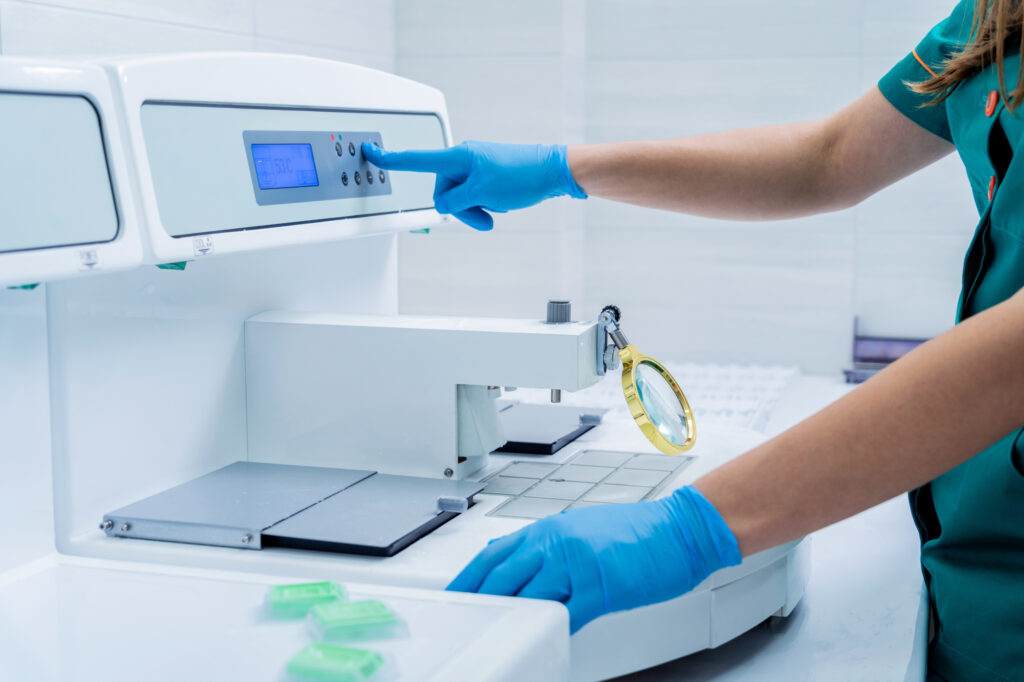
Cold ischemia time begins the moment a surgeon or pathologist collects the tissue and continues until the sample is fixed or frozen. During this window, cells remain active, and biochemical changes gradually occur.
Cold and warm ischemia times differ. Warm ischemia occurs when the blood supply is interrupted while the tissue is still inside the body, such as during surgery or organ retrieval. On the contrary, cold ischemia begins after removal, once the sample is exposed to lower temperatures before being stabilized. Both processes affect tissue quality, but cold ischemia is especially relevant for laboratory analysis.
The steps involved in cold ischemia are straightforward yet critically important. After tissue removal, the sample is immediately placed in a sterile container, carefully transported to the laboratory, and promptly processed for preservation. Delays at any point can compromise the accuracy and reliability of subsequent laboratory analyses.
Why Cold Ischemia Matters in Tissue Handling
A tissue sample tells the most accurate story when it is preserved quickly. Therefore, cold ischemia time plays a direct role in determining the accuracy level of clinical diagnostics and the reliability of biobanking. Pathologists depend on high-quality samples to evaluate tissue structure, detect abnormalities, and confirm a diagnosis. However, when cold ischemia time is prolonged, the microscopic details of a sample may no longer reflect the original state of the tissue.
In addition, biomedical research relies heavily on the integrity of collected samples. Researchers study genes, proteins, and cellular pathways to better understand disease and develop therapies. Consequently, any alteration caused by delayed preservation can distort results, leading to inconsistent findings or missed insights.
Moreover, patient care is closely tied to these practices. Diagnostic accuracy directly influences treatment decisions; even minor errors can affect outcomes. For this reason, cold ischemia time must be kept as short as possible to support trustworthy testing and effective care.
Biological Changes During Cold Ischemia
A tissue sample appears unchanged after removal, but biological changes start to occur immediately. Cold ischemia time strongly influences how quickly these changes occur and how much integrity a sample retains.
Once blood flow stops and oxygen is cut off, cells face stress. During this period, enzymes inside the tissue remain active and begin breaking down important components. As this continues, the normal balance within the sample shifts, which can interfere with accurate testing later.
RNA is highly sensitive to preservation delays. It breaks down rapidly, making gene expression studies less dependable when cold ischemia time is extended. Proteins also undergo changes, either degrading or altering in form, reducing proteomic analysis accuracy. As a result, these shifts complicate the interpretation of laboratory results.
The structure of the tissue also changes with time. Cells lose their clear outlines, and microscopic details may appear distorted. These changes can reduce the quality of histological assessments, making it harder for pathologists to reach precise conclusions.
Therefore, it is essential to keep the cold ischemia time as short as possible. By doing so, researchers and clinicians can protect cellular stability, preserve molecular integrity, and ensure dependable results in both research and diagnostic settings.
Effects on Different Types of Analyses
Accurate laboratory analysis depends on how well a tissue sample is preserved. Cold ischemia time directly shapes the reliability of many scientific and clinical studies. Different types of analysis are affected in specific ways, which makes timely preservation a key part of sample handling.
Genomic studies require intact DNA and RNA to measure genetic information and gene activity. DNA remains relatively stable, but RNA degrades quickly when preservation is delayed. As a result, gene expression data can lose accuracy, and findings may not reflect the true biology of the sample.
Proteomic and metabolomic studies also face challenges. Proteins can break down or change in structure during extended cold ischemia, which reduces the precision of protein profiling. Metabolites shift rapidly, causing incomplete or misleading interpretations of metabolic activity within the tissue.
Histopathological evaluation relies on clear tissue structure under the microscope. Prolonged cold ischemia can blur cellular outlines, distort tissue architecture, and make distinguishing between normal and abnormal features harder. This results in pathologists facing difficulty in forming consistent diagnoses.
Factors That Influence Cold Ischemia Time
Cold ischemia time is shaped by more than just the moment of tissue removal. Several conditions during handling and preservation determine how quickly a sample begins to lose integrity. Some of the factors include:
1. Tissue Type and Size
Tissue type and size strongly affect how samples respond after removal. Larger tissues take longer to cool evenly, allowing biological activity to continue longer. Smaller tissues stabilize more quickly and are less prone to rapid degradation. On the contrary, malignant tissue may react differently from normal tissue because tumor cells are more metabolically active and sensitive to changes.
2. Temperature and Storage Conditions
Temperature directly influences how fast a sample breaks down. Lower temperatures slow enzymatic activity and preserve molecular stability. In contrast, even short exposure to room temperature accelerates cellular damage and weakens the reliability of later testing.
3. Handling Protocols and Logistics
Handling practices and logistics often determine the length of cold ischemia time. Delays during transport, poor coordination between surgical and laboratory teams, or inconsistent preparation methods add time. Therefore, clear protocols and consistent communication must be used to limit unnecessary delays.
Clinical and Research Consequences of Prolonged Cold Ischemia
A tissue sample that waits too long before preservation loses its reliability for clinical and research purposes. Prolonged cold ischemia affects the quality of molecular data, tissue architecture, and diagnostic accuracy in ways that are well documented in medical research.
One significant consequence is the reduced reliability of test results. RNA and proteins degrade during extended delays, altering the sample’s molecular profile. As a result, genetic studies or protein-based tests show patterns that do not reflect the true biology of the tissue.
Another challenge involves reproducibility in research. Scientists depend on consistent results across experiments, yet studies using tissues with variable cold ischemia times often show conflicting outcomes. This inconsistency slows scientific progress and makes it harder to validate new findings.
Clinical practice is also directly affected. Pathologists rely on preserved samples to confirm diagnoses, including cancer and other severe conditions. However, prolonged cold ischemia increases the risk of misinterpretation, which may lead to delayed or inaccurate treatment decisions.
Therefore, it is critical to keep cold ischemia time as short as possible to protect patient care and maintain reliable scientific discovery.
Guidelines and Best Practices to Minimize Cold Ischemia
Cold ischemia can only be controlled when tissue handling follows strict and consistent practices. Following these steps can reduce delays and help preserve the quality of samples used in both research and clinical care:
1. Standard Operating Procedures
Standard operating procedures provide clear tissue collection, transport, and preservation instructions. Well-defined steps reduce unnecessary variation and ensure that all staff handle samples similarly.
2. Rapid Processing and Fixation Methods
Rapid processing limits the time between tissue removal and preservation. Quick freezing or chemical fixation slows cellular changes and protects DNA, RNA, and proteins from degradation.
3. Communication Across Teams
Communication between surgical, pathology, and laboratory teams affects cold ischemia time. Smooth coordination ensures tissue moves quickly from the operating room to the laboratory without added delays.
4. Reliable Biospecimen Providers
A high-quality biobank adds another layer of reliability. Providers that follow strict handling protocols deliver samples that reflect true biology. Superior BioDiagnostics is a provider known for consistent standards that protect tissue integrity from collection to delivery.
Preserving Tissue Integrity for Better Outcomes
Cold ischemia time directly affects the accuracy of clinical diagnoses and the reliability of research findings. Even slight delays in processing can alter molecular structures, making test results less reliable. Furthermore, research outcomes may lose reproducibility, reducing confidence in clinical and academic settings. Because of this, every step in handling tissue must be carefully controlled.
In addition, consistent standards across surgical, pathology, and laboratory workflows are needed. Clear procedures reduce variation and protect the true biology of both normal and malignant tissue. When teams follow the same protocols, the data quality improves and patient care becomes more precise.
Access to reliable biospecimens is the foundation of accurate work for researchers and clinicians. Superior BioDiagnostics provides 100% US-procured formalin-fixed paraffin-embedded (FFPE) tissue samples supported by strict handling standards, which minimize the impact of cold ischemia. By partnering with a trusted provider, one can focus on research and patient care more confidently. To support consistent results and dependable diagnostic work, place an order with Superior BioDiagnostics today.