Superior Pathology

Categories
Uncategorized

The Role of Nucleic Acid Extraction in FFPE Tissue Analysis

The Role of Nucleic Acid Extraction in FFPE Tissue Analysis

Formalin-fixed, paraffin-embedded (FFPE) tissue samples are critical for medical research and diagnostics, providing long-term preservation of biological specimens. These samples are used widely in molecular studies for applications such as cancer research, genetic analysis, and personalized medicine. However, extracting high-quality nucleic acids from FFPE tissue is challenging due to the fixation and embedding processes, which cause DNA fragmentation and RNA degradation. To ensure successful molecular analysis, researchers must use optimized nucleic acid extraction methods that effectively reverse crosslinking, remove contaminants, and recover high-integrity DNA and RNA.

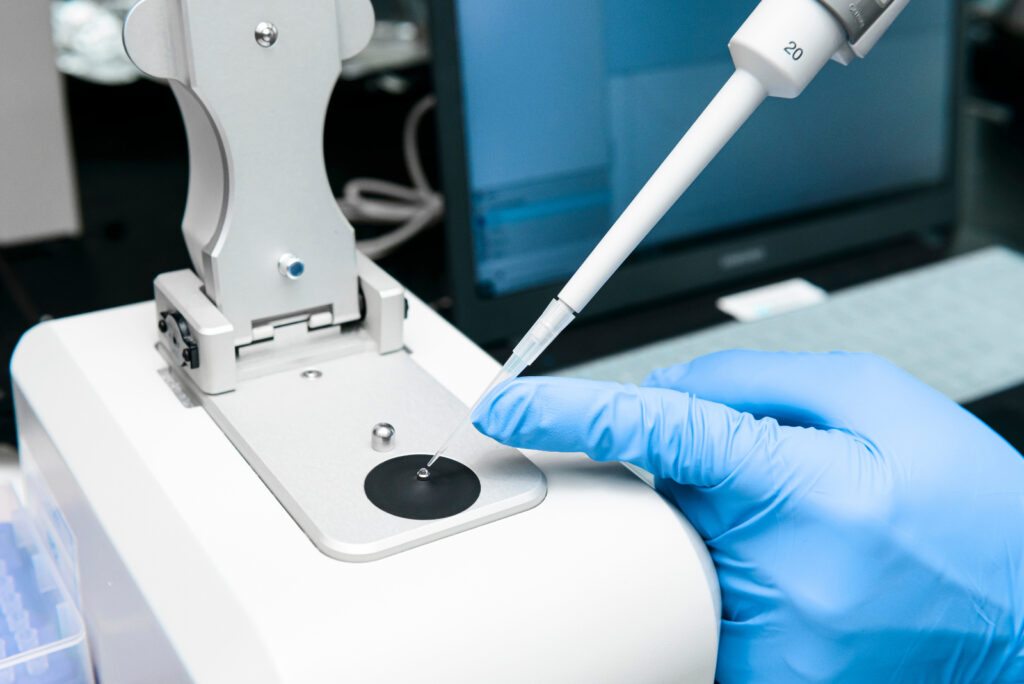
Scientist pipettes sample onto the low pedestal of Nanodrop for measuring the concentration of nucleic acid and purified proteins

4 Common Nucleic Acid Extraction Methods for FFPE Tissue

Several nucleic extraction methods are employed to obtain usable DNA and RNA from FFPE samples. The choice of method depends on the type of nucleic acid required and the intended downstream application, such as sequencing, PCR, or biomarker analysis. Each technique has its own advantages and limitations, making it essential to select the most suitable approach for optimal nucleic acid recovery.

1. Organic Solvent-Based Extraction

This method utilizes phenol-chloroform for phase separation of nucleic acids from proteins and lipids. While it is effective in extracting high-yield DNA, it involves toxic reagents and labor-intensive steps, making it less desirable for routine clinical applications. The process requires careful handling due to the hazardous nature of phenol and chloroform, both of which can cause skin irritation and require specialized waste disposal. Despite these challenges, solvent-based extraction remains a viable option for researchers needing high-purity DNA with minimal protein contamination. 

2. Silica Column-Based Extraction

SIlica column-based kits are widely used for FFPE samples as they provide a simple and effective way to purify DNA or RNA. These kits typically involve tissue deparaffinization, protease digestion, and nucleic acid binding to a silica membrane, followed by washing and elution. One of the key benefits of this method is its compatibility with automated platforms, making it suitable for high-throughput applications. Additionally, silica columns help remove inhibitors that could interfere with downstream molecular assays, ensuring reliable results in PCR and sequencing-based studies. 

3. Magnetic Bead-Based Extraction

This nucleic acid extraction method is a modern and automation-friendly route that ensures higher recovery of nucleic acids while minimizing contamination. The beads selectively bind nucleic acids, allowing for efficient purification with minimal loss. This method is particularly advantageous for laboratories that require rapid processing with high reproducibility. Since magnetic beads eliminate the need for centrifugation, they also reduce sample degradation and improve workflow efficiency. Furthermore, magnetic bead-based extraction provides excellent scalability, making it an ideal choice for both small research labs and large clinical diagnostic centers.

4. Enzyme Digestion Methods

Enzyme digestion techniques incorporate proteinase K or heat-based reversal of formaldehyde crosslinks to improve nuclein acid integrity. DNase treatment may also be included in RNA extraction protocols to remove contaminating genomic DNA, ensuring high-purity RNA for gene expression analysis. Enzymatic approaches are particularly useful for heavily degraded FFPE samples, as they help recover fragmented nucleic acids with improved quality. The effectiveness of these methods depends on optimizing digestion times and temperatures to maximize acid yield while preventing excessive degradation. By fine-tuning enzymatic parameters, researchers can enhance nucleic acid recovery from even the most challenging FFPE specimens.

Optimizing Nucleic Acid Extraction Techniques for FFPE Samples

To obtain high-quality nucleic acids from FFPE tissues, researchers must optimize several key steps in the extraction process. First, effective deparaffinization is crucial to remove paraffin, which can interfere with enzymatic digestion and nucleic acid purification. This is typically achieved using xylene or alternative solvents. Second, heat-induced crosslink reversal is necessary to break DNA-protein bonds caused by formalin fixation. Applying high temperatures (194℉–208℉) improves DNA integrity and accessibility. Next, DNase treatment is often used to eliminate contaminating genomic DNA when extracting RNA, ensuring the purity needed for gene expression studies. Finally, quality control measures such as spectrophotometry, fluorometric quantification, and gel electrophoresis help assess nucleic acid integrity and concentration before further analysis.

How Do Cells Monitor DNA Integrity, and Why Is It Relevant?

Cells continuously monitor DNA integrity to maintain genetic stability and proper function. One of the key mechanisms involved is the DNA Damage Response (DDR), which detects and repairs DNA damage caused by oxidation, radiation, or chemical agents. Additionally, Base Excision Repair (BER) corrects small base modifications, such as oxidative damage, while Nucleotide Excision Repair (NER) removes bulky DNA lesions. Double-strand break repair is facilitated by Homologous Recombination (HR) and Non-Homologous End Joining (NHEJ). Understanding these mechanisms is essential in FFPE tissue analysis, as formalin fixation induces DNA damage that can impact downstream applications like mutation analysis and sequencing.

Applications of Extracted Nucleic Acids from FFPE Tissues

The ability to extract and analyze nucleic acids from FFPE staples has significantly advanced several fields of research and diagnostics. In oncology research, FFPE-derived nucleic acids are used for cancer biomarker studies, mutation analysis, and gene expression profiling. In molecular pathology, they help identify generic alterations linked to disease, supporting precision medicine. Additionally, forensic and historical studies benefit from the analysis of degraded DNA in archival tissues, while infectious disease research relies on extracted nucleic acids to investigate viral and bacterial genetic material in preserved samples.

Order High-Quality Biospecimen Samples from Superior BioDiagnostics

Nucleic acid extraction is a vital process in FFPE tissue analysis, allowing researchers to retrieve DNA and RNA from preserved specimens for various molecular applications. Choosing the appropriate nucleic acid extraction methods and optimizing nucleic acid extraction techniques are crucial for ensuring high-quality results. Implementing quality control steps, such as DNase treatment and integrity monitoring, further enhances the reliability of downstream genetic analyses. As extraction technologies continue to evolve, they will further improve the efficiency and accuracy of nucleic acid retrieval from FFPE tissues, expanding their role in medical research and diagnostics. 


At Superior BioDiagnostics, we provide high-quality FFPE, fresh-frozen, and biofluid samples to support cutting-edge research. With a commitment to ethical sourcing and strict quality control, we supply biospecimens to leading research institutions, commercial labs, and pharmaceutical companies worldwide. Our team of experts ensures that every sample meets rigorous standards, empowering scientists to make groundbreaking discoveries. Whether you need normal, malignant, or disease-state tissue samples, Superior BioDiagnostics is your trusted partner in advancing medical research. Contact us today to learn more about our biospecimen solutions and place your order.

Categories
Uncategorized

How to Choose Primary and Secondary Antibodies in IHC

How to Choose Primary and Secondary Antibodies in IHC

Immunohistochemistry (IHC) is a powerful technique used in research and diagnostics to detect specific antigens in tissue samples. The success of an IHC experiment largely depends on selecting the appropriate primary antibodies and secondary antibodies to ensure specificity, sensitivity, and reproducibility. Keep reading to understand the role of each antibody type and how they interact in the primary and secondary antibody response.

Scientist preparing slides with tissue samples for immunohistochemistry assay

What is a Primary Antibody?

A primary antibody is the first antibody introduced in an IHC experiment. It is designed to bind specifically to the target antigen in the tissue sample. These antibodies are typically generated in host species such as mice, rabbits, or goats and can be either monoclonal or polyclonal. Monoclonal primary antibodies recognize a single epitope on the antigen, providing high specificity, while polyclonal antibodies recognize multiple epitopes, increasing sensitivity.

Since the primary antibody directly binds to the antigen of interest, selecting one with high specificity and minimal cross-reactivity is essential. Researchers should consider factors such as host species, isotype, and antigen affinity to optimize detection. The isotype of a primary antibody refers to the class of immunoglobulin (lg) it belongs to, such as IgG, IgA, or IgM. These isotypes influence how the antibody interacts with secondary antibodies, which are used for signal amplification. 

What is a Secondary Antibody?

A secondary antibody is used to detect and amplify the signal of the primary antibody. This antibody is conjugated to a detectable label, such as an enzyme or fluorophore, allowing visualization of the antigen-antibody complex. To answer this question simply, a secondary antibody is an antibody designed to recognize and bind to the primary antibody rather than the antigen itself. This step enhances signal intensity and improves the accuracy of antigen detection. 

There are various types of secondary antibodies, each suited for different detection methods. The HRP secondary antibody is conjugated to horseradish peroxidase (HRP), which catalyzes a colorimetric reaction for visualization. Alternatively, the biotinylated secondary antibody is linked to biotin, which binds strongly to avidin or streptavidin for signal amplification. In fluorescence-based detection, a fluorescent secondary antibody is conjugated to fluorophores like FITC, Alexa Flu, or Cy dyes, allowing for high-resolution imaging under a fluorescence microscope.

Primary vs. Secondary Antibodies: Understanding the Difference

When designing an IHC experiment, it is crucial to understand the difference between primary vs. secondary antibodies. The primary antibody binds directly to the target antigens, whereas the secondary antibody binds to the primary antibody and provides a means of signal detection. The advantage of using a primary and secondary antibody system is that it allows enhanced flexibility in signal amplification. A single secondary antibody can bind to multiple primary antibodies, increasing the sensitivity of detection.

Additionally, different secondary antibodies can be used to customize the detection method. For example, an HRP secondary antibody is suitable for chromogenic detection in brightfield microscopy, whereas a fluorescent secondary antibody is ideal for fluorescence microscopy. Understanding primary vs. secondary antibody roles helps researchers choose the most appropriate combination for their specific application.

How to Choose a Secondary Antibody

Selecting the right secondary antibody is just as important as choosing the primary antibody. The selection process depends on several factors, including the host species of the primary antibody, the desired detection method, and the experimental conditions. 

First, it is essential to match the secondary antibody to the host species of the primary antibody. For example, if the primary antibody was raised in a rabbit, a goat anti-rabbit secondary antibody would be the appropriate choice. Secondly, researchers must consider the isotype of the primary antibody, as some secondary antibodies are specific to certain lg subclasses. For example, an anti-mouse lhH1 secondary antibody will only recognize the lgG1 subclass, whereas a general anti-mouse lhH secondary antibody will recognize all subclasses.

Another important consideration is the detection system. If a colorimetric signal is needed, an HRP secondary antibody or an alkaline phosphatase (AP) secondary antibody would be ideal. If fluorescence detection is required, a fluorescent secondary antibody should be chosen based on the excitation and emission wavelengths of the fluorophore. Understanding these factors helps in choosing a secondary antibody that enhances the specificity and sensitivity of an IHC experiment.

Which Antibody Class is Associated With the Primary Immune Response?

In immunology, the primary and secondary antibody response refers to how the immune system reacts to an antigen. The primary immune response is the initial reaction, characterized by a slower and weaker antibody production, primarily involving IgM antibodies. LgM is the antibody class associated with the primary immune response as it is the first antibody produced upon antigen exposure. The secondary immune response, on the other hand, is more rapid and robust, involving the production of lgG antibodies, which provide long-term immunity. 

Similarly, the secondary antibody response is predominantly mediated by lgG, which provides higher affinity binding and long-lasting immunity. Understanding these immune responses can aid in selecting the right antibodies for research applications, especially in studies involving immune profiling and vaccine development.

Order the Best with Superior BioDiagnostics—Your Trusted Biospecimen Provider

Choosing the right primary and secondary antibodies is critical for achieving accurate and reproducible iHC results. Researchers must carefully consider antibody specificity, isotype compatibility, and detection methods to optimize their experiments. Whether you need an HRP secondary antibody, a biotinylated secondary antibody, or a fluorescent secondary antibody, selecting high-quality reagents ensures the best possible outcomes in immunohistochemistry. 

At Superior BioDiagnostics, we understand the importance of using high-quality biospecimen samples to support cutting-edge scientific research. As a leading biospecimen provider, we offer the finest FFPE human tissue samples meticulously procured to meet the needs of international researchers. Our commitment to ethical sourcing, strict quality control, and expert biobanking practices ensures that you receive only the best biospecimen solutions for your studies. 

Leading research institutions such as LabCorp, AstraZeneca, and Roche have trusted us to provide high-quality tissue samples, including normal and disease-state tissues, for groundbreaking discoveries. Whether your research focuses on spatial biology, hematopathology, dermatopathology, or diagnostic advancements, Superior BioDiagnostics is dedicated to supporting your success.

If you’re ready to elevate your research with superior biospecimen samples, contact Superior BioDiagnostics today. Let us help you make the next scientific breakthrough with the highest-quality biospecimen services available. 

Categories
Uncategorized

Advanced Applications of Dual Staining in Cancer Diagnostics

Advanced Applications of Dual Staining in Cancer Diagnostics

Dual staining techniques are revolutionizing how pathologists identify and interpret cellular abnormalities in the evolving landscape of cancer diagnostics. By utilizing two distinct markers within a single test, dual stain methodologies enhance diagnostic accuracy, providing valuable insights into disease progression, particularly in cervical cancer and other malignancies. This article delves into the advanced applications of dual stains, focusing on their role in cancer diagnostics.

Scientist placing slides with paraffin embedded tissue samples into a slide staining rack for dual staining.

Understanding Dual Stains in Cancer Diagnosis

Dual staining refers to a technique in immunohistochemistry (IHC) where two different biomarkers are used simultaneously to highlight specific cellular components. This approach provides a more comprehensive view of cellular behavior, enabling more precise diagnoses and prognoses. 

In cancer diagnostics, dual stain tests are widely employed to detect and differentiate between benign and malignant cells. By staining with two distinct antibodies, pathologists can asses protein co-expression, offering deeper insights into tumor biology. This methodology enhances diagnostic confidence, particularly in complex cases where single-marker tests may yield ambiguous results.

Cervical Dual Stain LBP & its Clinical Significance

One of the most well-established applications of dual staining in cancer screening is cervical dual stain LBP (liquid-based cytology). This test employs two biomarkers:

  • P16: A tumor suppressor protein associated with high-risk HPV infections and precancerous cellular changes. 
  • Ki-67: A proliferation marker indicating active cell divisions, often found in dysplastic or cancerous cells.

When combined, these markers improved the detection of high-grade cervical intraepithelial neoplasia (CIN2+), which can progress to cervical cancer if left untreated. Unlike traditional Pap tests, which often require follow-up testing, dual stain-positive results provide immediate, actionable insights into a patient’s risk level. 

What Does a Positive Result for Dual Stain p16/Ki-67 Mean?

In simple terms, a positive dual stain test indicates that both p16 and Ki-67 are co-expressed within the same cell. This finding suggests that abnormal cell growth is occurring, often due to high-risk HPV infection. However, it is important to note that a positive dual stain does not mean cancer.

While a dual stain positive result signifies the presence of precancerous changes, it does not confirm an invasive cancer diagnosis. Instead, it highlights patients at a higher risk, allowing for timely intervention and monitoring. In cases where additional diagnostic tests confirm a malignancy, dual staining provides crucial information regarding tumor aggressiveness and potential treatment responses. This proactive approach improves patient outcomes by enabling early detection and targeted management strategies.

Beyond Cervical Cancer: Dual Staining in Other Malignancies

While cervical dual stain LBP is widely recognized, dual staining is also being employed in diagnosing and researching other cancers, including breast, prostate, lung, and colorectal cancer. In breast cancer, dual staining for HER2 and Ki-67 helps determine tumor proliferation rates and guides targeted therapy decisions. In prostate cancer, stains such as p63 and AMACR improve the differentiation between benign prostate hyperplasia and prostate carcinoma. In lung cancer, TTF-1 and p40 staining aids in distinguishing between adenocarcinoma and squamous cell carcinoma, which is crucial for selecting appropriate treatments. In colorectal cancer, dual stains involving mismatch repair proteins help identify patients who have Lynch syndrome, a hereditary cancer predisposition. By employing dual stains in these and other cancers, pathologists gain more specific and reliable diagnostic insights, ultimately leading to improved patient outcomes and personalized treatment plans.

The Advantage of Dual Staining in Cancer Diagnostics

Compared to traditional single-marker tests, dual stain approaches offer several advantages. The combination of two markers improves diagnostic sensitivity and specificity, reducing the likelihood of false-positive and false-negative results. This methodology also streamlines the diagnostic process by replacing multiple sequential tests with a single dual stain test, saving time and resources. Moreover, dual staining enables better risk stratification by identifying patients at high risk for cancer progression, allowing for earlier intervention and personalized treatment plans. The visualization of two markers within the same sample provides a clearer picture of cellular activity and disease progression, making dual staining an invaluable tool in modern pathology.

Standardization and Regulatory Considerations

As dual staining becomes more widely adopted in cancer diagnostics, standardization and regulatory oversight are crucial to ensuring consistency and accuracy. Regulatory bodies like the FDA and the College of American Pathologists (CAP) provide guidelines for validating and implementing dual stain assays in clinical practices. Laboratories must adhere to strict quality control measures, including:

  • Assay Validation: Ensuing that dual stain tests are reproducible, specific, and sensitive across different institutions.
  • Quality Control and Proficiency Testing: Regular monitoring and external proficiency testing to maintain high diagnostic standards.
  • Clinical Interpretation Guidelines: Developing clear criteria for pathologists to interpret dual stain results consistently. 

By adhering to these regulatory considerations, healthcare providers can optimize the clinical utility of dual staining and enhance patient care.

Future Directions in Dual Stain Research

Ongoing research continues to expand the applications of dual staining in cancer diagnostics. Some key areas of development include artificial intelligence integration, where machine learning algorithms are being developed to analyze dual stain results more accurately and efficiently, reducing human error and improving diagnostic speed. Multiplex staining techniques are emerging, allowing for three or more stains to be analyzed simultaneously, providing even more detailed insights into tumor biology. Personalized medicine applications are advancing, with dual staining playing a crucial role in identifying biomarkers for targeted therapies, enabling more precise treatment options for cancer patients. Researchers are also exploring ways to adapt dual staining techniques for use in liquid biopsies, potentially enabling non-invasion cancer screening and monitoring. 


As technology evolves, dual staining will remain at the forefront of diagnostic innovations, helping clinicians make more informed decisions and improving patient care.

Enhance Your Diagnosis with Superior BioDiagnostics

At Superior BioDiagnostics, we understand the importance of high-quality samples in achieving reliable and accurate dual stain results. Our expertly preserved FFPE tissue samples provide the ideal foundation for cancer research and clinical diagnostics, ensuring consistency and precision in every test. Whether you’re conducting studies on normal or disease-state tissues, investigating dual stain-positive cases, or exploring new dual stain test applications, our comprehensive tissue bank supports your research with premium specimens. Take your cancer diagnostics to the next level—order your high-quality tissue samples from Superior BioDiagnostics today!

Categories
Uncategorized

Optimizing Immunostaining Techniques for FFPE Tissue

Optimizing Immunostaining Techniques for FFPE Tissue

Immunostaining is a vital technique in molecular biology and pathology, used to identify specific proteins, antigens, or other biomolecules in tissue samples. Its application is particularly important for studying disease states, diagnosing various cancers, and researching pathophysiological mechanisms. Formalin-fixed paraffin-embedded (FFPE) tissue samples are commonly used in immunostaining, offering advantages such as preservation of tissue structure and antigenicity. Let’s explore the nuances of immunostaining protocols to understand how to select the right immunostains to ensure proper use of antibodies for optimal results.

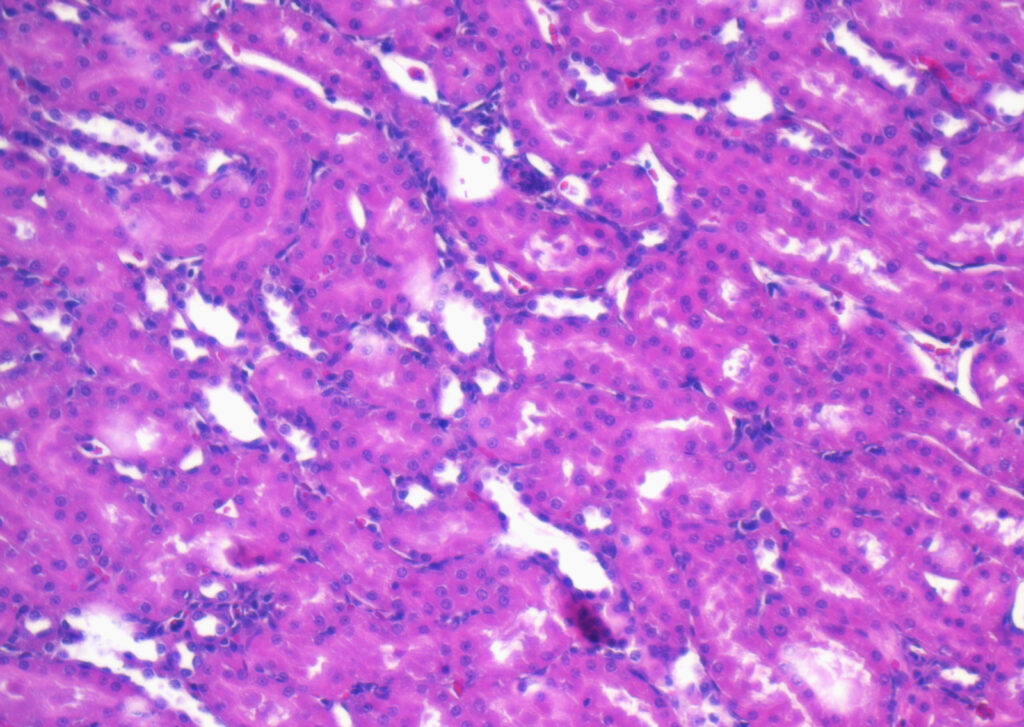
Microscope view of hematoxylin and eosin stained human carcinoma cells

What is Immunostaining?

Immunostaining, also known as immunohistochemistry (IHC) or immunocytochemistry (ICC), involves using antibodies to detect the presence of specific antigens within a tissue sample. The process is based on the specificity of antibodies binding to particular proteins or other molecules in the tissue, which is then visualized using chromogenic or fluorescent detection methods. FFPE tissue, in particular, is often used for this technique due to its ability to preserve tissue morphology over long periods. 

The FFPE process involves fixing tissue samples in formalin and embedding them in paraffin wax. This technique preserves the tissue’s morphology and molecular integrity, making it ideal for long-term storage and subsequent immunostaining procedures.

The Immunostaining Protocol

The immunostaining process begins with a careful preparation of FFPE tissue, which is sectioned into thin slices and mounted on glass slides. Before staining can occur, these sections are deparaffinized to remove the paraffin wax and rehydrated to prepare the tissue for aqueous solutions. One critical step in the process is antigen retrieval, which involves exposing the tissue to heat and a retrieval buffer to unmask antigens that may have been masked during formalin fixation. This ensures antibodies can bind effectively to their target antigens. 

A blocking agent is applied to minimize background noise, which helps reduce the non-specific binding of the antibodies after immunostaining. This is followed by the application of a primary antibody, which is selected based on the antigen of interest. For instance, researchers investigating HPV-related cancers often use a p16 immunostain, while those studying gastric conditions might choose an immunostain for Helicobacter pylori. Once the primary antibody binds to its target, a secondary antibody conjugated with a detection marker is introduced to amplify the signal. 

Detection methods vary depending on the study’s needs. Some laboratories use colorimetric systems, where a visible dye indicates the presence of the antigen, while others use fluorescence for more detailed imaging. Finally, counterstaining highlights the overall tissue morphology, making it easier to interpret results in the context of the tissue structure. 

One additional consideration is the temperature and duration of antigen retrieval. Over-retrieval can cause tissue damage or loss of antigenicity, while under-retrieval may result in weak or absent staining. Adjusting retrieval conditions for specific antibodies can significantly enhance outcomes. Similarly, using high-quality mounting mediums and coverslips ensures that the final slide is preserved for analysis without compromising the immunostaining results.

Comparing SMA vs. MSA or CMV Immunostaining Applications

Immunostains are used across various applications, each tailored to specific research or diagnostic needs. For example, smooth muscle actin (SMA) and muscle-specific actin (MSA) immunostains help distinguish between smooth and strained muscle tissues, which is critical in diagnosing various muscle-related diseases. Similarly, p16 immunostains serve as surrogate markers for HPV infection and are widely used in detecting HPV-related cancers.

In infectious disease research, immunostains are vital for detecting pathogens. An immunostain for Helicobacter pylori is commonly employed to identify the bacterium in gastric tissues, helping diagnose and monitor H. pylori infections. Cytomegalovirus (CMV) immunostains are similarly invaluable in identifying viral antigens in tissues, particularly in transplant or immunocompromised patients.

When interpreting results, it’s important to note that a negative p16 immunostain result might mean the absence of HPV-related lesions, offering insights into whether a particular cancer is HPS-driven. Each type of immunostain provides critical information, enabling pathologists and researchers to make informed decisions about diagnoses and treatments.

The specificity of immunostains also enables pathologists to differentiate between closely related diseases. For example, in distinguishing smooth muscle tumors, SMA and MSA immunostains provide complementary data that can influence diagnostic accuracy. Moreover, advancements in multiplex immunostaining now allow simultaneous detection of multiple antigens, opening doors for more comprehensive insights into complex tissue samples.

Challenges and Optimization in Immunostaining FFPE Tissue

Immunostaining FFPE tissue samples can present unique challenges. Formalin fixation, while excellent for preserving tissue morphology, may mask certain antigens, requiring careful optimization of antigen retrieval methods. Choosing the right antibodies is equally important, as antibody specificity and sensitivity significantly impact results. Non-specific binding and background staining are common issues but can be minimized by adjusting blocking agents and optimizing antibody concentrations after immunostaining.

To ensure the best outcome, it’s essential to validate antibodies for FFPE use and tailor protocols to the specific tissue and antigen. Incorporating control samples, both positive and negative, can help confirm the accuracy and specificity of the immunostaining process.

Another key optimization strategy is using digital pathology tools. These systems can analyze immunostained slides with greater precision, reducing inter-observer variability. Automated imaging solutions also facilitate large-scale studies, ensuring consistent results across multiple samples. Additionally, the introduction of recombinant antibodies has enhanced the reproducibility of immunostaining by eliminating batch-to-batch variability found in traditional antibodies.

Order Top-Quality Samples For Your Research

At Superior BioDiagnostics, we understand the complexities of immunostaining and the importance of high-quality FFPE tissue samples in achieving reliable results. Our biobank offers a diverse array of FFPE tissue blocks, sections, and slides, including normal and disease-state breast, cervical, lung, muscle tissues, and more. These samples are meticulously processed to maintain their structural integrity, making them ideal for immunostaining and other molecular analyses. 

Whether you’re investigating the expression of p16 in cervical cancer, testing immunostains for H. pylori in gastric tissues, or exploring novel biomarkers, our specimens provide the reliability and precision needed for groundbreaking discoveries. Superior BioDiagnostics is committed to supporting your research with next-day shipping and comprehensive data to accelerate your findings. 

Explore our selection of FFPE tissue samples today. With unmatched quality and global shipping, we’re here to help you reach your next breakthrough. Contact Superior BioDiagnostics to place your order and access the resources you need to drive innovation forward.  

Categories
Uncategorized

PCR, qPCR, and RT-PCR: Differences Between Real-Time, Reverse Transcription, and Traditional PCR

PCR, qPCR, and RT-PCR: Differences Between Real-Time, Reverse Transcription, and Traditional PCR

Polymerase Chain Reaction (PCR) and its variations, qPCR (quantitative PCR), and RT-PCR (Reverse Transcription PCR) are essential techniques in molecular biology. While all three methods involve DNA amplification, they serve different purposes—traditional PCR amplifies DNA, qPCR allows real-time quantification, and RT-PCR enables RNA detection by converting it into DNA. In this blog, we’ll break down their differences and applications in research.

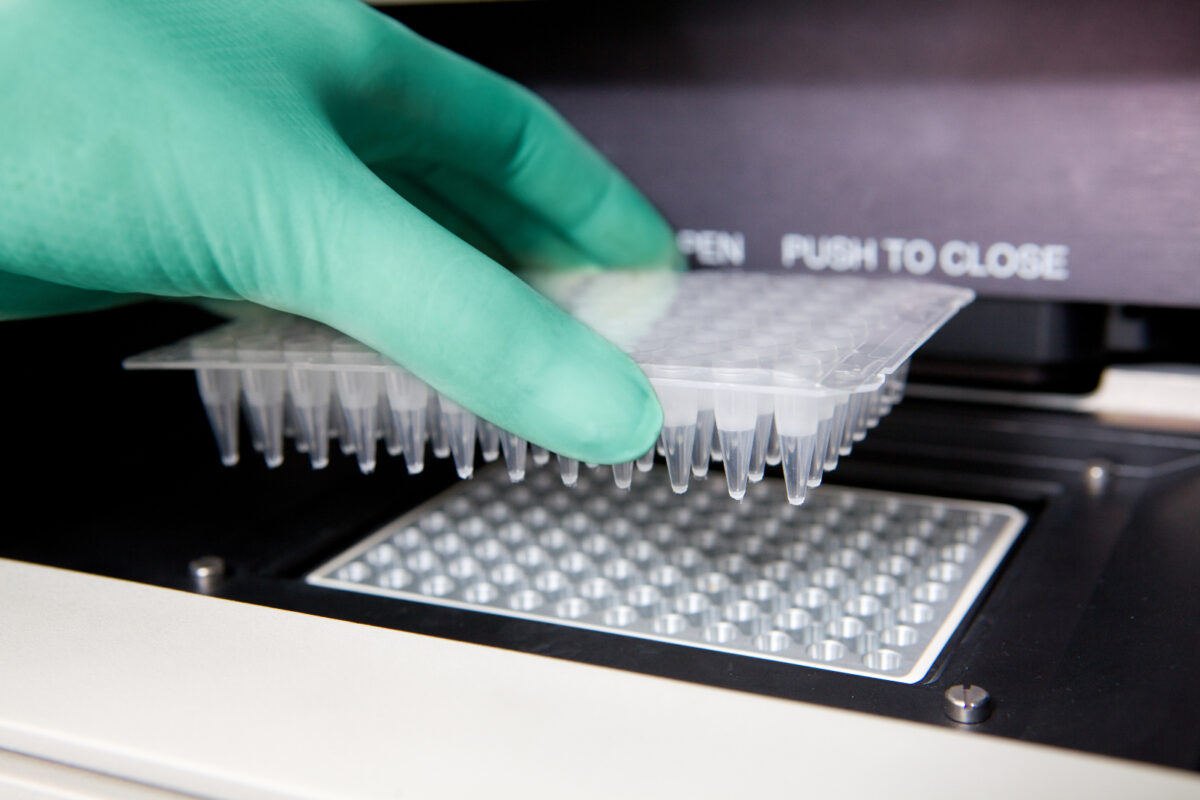
Researcher using Thermal PCR cycler

What is PCR?

Polymerase Chain Reaction is a technique for amplifying or producing multiple copies of a short DNA or gene stretch. It is commonly used in molecular biology and biotechnology, allowing researchers to make billions of copies of a specified DNA for research and diagnostic purposes. Traditional PCR involves three steps: denaturation, annealing, and extension of primers. 

It requires two primer sets that are complementary to both ends of the DNA template and a thermostable DNA polymerase. The polymerase cycle is repeated multiple times to generate numerous copies of the DNA segment. 

Here’s a breakdown of the 3 steps of PCR: 

  1. Denaturation (95°C): During this step, the reaction mixture is heated to a high temperature, typically around 94–98°C. This heat breaks the hydrogen bonds between the base pairs in the double-stranded DNA, causing it to separate into two single strands. The separation of DNA strands is crucial because it allows primers to bind to the template in the next step.
  2. Annealing (50–65°C): The temperature is then lowered to 50–65°C, allowing short primers to attach (anneal) to complementary sequences on the single-stranded DNA. Primers are short DNA sequences that act as starting points for DNA synthesis. The temperature used in this step depends on the primers’ melting temperatures, ensuring specific and stable binding.
  3. Extension (72°C): The reaction temperature is then raised to 72°C, the optimal working temperature for Taq polymerase, a heat-stable enzyme. This enzyme adds nucleotides (A, T, C, G) to the primers, extending the DNA strand in the 5′ to 3′ direction. As a result, two identical copies of the original DNA sequence are formed.

This process is repeated 30–40 times, exponentially increasing the number of DNA copies with every cycle.

What is qPCR?

Quantitative PCR, or qPCR, is also known as real-time PCR. It’s a technique that uses fluorescent reporter molecules to measure the amount of RNA or DNA in a tissue sample. qPCR gives an additional quantitative analysis of the DNA or RNA in RT-qPCR, which we’ll explore further below.

Researchers use real-time PCR to measure gene expression, viral load, and SNP detection. It’s also a vital tool for genetic testing, pathogen detection, and disease research. In qPCR or real-time PCR, the amplification of DNA is monitored in real-time using fluorescence-based detection.

There are two primary methods for detecting PCR products in real time: 

  1. Dye-Based Detection (SYBR Green): Uses SYBR Green, a fluorescent dye that binds specifically to double-stranded DNA. As DNA amplifies, the fluorescence signal increases proportionally to the DNA concentration. Dye-based detection is a simple and cost-effective method, but it may detect non-specific products such as primer dimers.
  2. Probe-Based Detection (TaqMan, Molecular Beacons, Scorpion Probes): Uses fluorescently labeled probes that bind specifically to the target DNA sequence. It’s more specific than dye-based detection as it only detects the target sequence, reducing the background signal. There are 3 types of probe-based methods:
    • TaqMan Probes: This probe has a fluorophore and quencher. Fluorescence is released when DNA polymerase cleaves the probe during amplification.
    • Molecular Beacons: A hairpin-shaped probe that fluoresces when it binds to the target DNA.
    • Scorpion Probes: Similar to molecular beacons, they are integrated into the primer for faster and more efficient detection.

Both methods allow DNA quantification in real-time, but probe-based detection offers greater specificity and accuracy, making it preferable for applications like gene expression analysis and pathogen detection.

What is RT-PCR or Reverse Transcription PCR?

RT-PCR (Reverse Transcription PCR) is a modified form of PCR that amplifies RNA by first converting it into complementary DNA (cDNA) using the enzyme reverse transcriptase. This allows the detection of RNA-based genetic material, making it useful for studying gene expression and detecting RNA viruses like SARS-CoV-2 (COVID-19).

RT-PCR consists of two steps: first, the reverse transcription process converts RNA into complementary DNA (cDNA), and second, the polymerase chain reaction amplifies the desired DNA sequence. RT-PCR is used to detect RNA in a sample, but it does not measure RNA quantity. To quantify RNA levels, RT-qPCR (quantitative reverse transcription PCR) is used. RT-qPCR combines RT-PCR with qPCR, making it highly useful for quantitative viral RNA and gene expression analysis.

Differences Between PCR, qPCR, and Reverse Transcription PCR

Both qPCR and real-time PCR are advanced methods of polymerase chain reaction. While RT-PCR is used to detect and amplify cDNA, qPCR provides quicker, more detailed real-time results and is utilized to quantify nucleic acids.

Here’s a detailed chart to understand the primary differences between PCR, qPCR, and reverse transcription PCR:

PCR

qPCR

RT-PCR

Used to analyze a short stretch of DNA by amplificationAdvanced PCR method used to amplify and quantify DNAUsed to detect and amplify RNA by converting it into DNA
Primer is used for polymerizationPrimer, as well as fluorescent probes or dyes, are usedReverse transcriptase enzyme is used to synthesize complementary DNA (cDNA) from RNA
Results are investigated by gel electrophoresisFluorescence emitted by dye or probe is recorded during PCRResults are investigated by gel electrophoresis
Data is recorded at the end of the processData is recorded during the amplification process at the exponential phaseData is recorded at the end of the process
Ethidium bromide is used to stain DNA fragmentsFluorescent dyes or DNA probes labeled with a fluorescent reporter are usedEthidium bromide or fluorescent dyes can be used to stain DNA fragments
Low-resolution techniqueHigh-resolution techniqueLow-resolution technique (unless combined with qPCR)
Distinct bands of various DNA fragments are seen on agarose gelDifferent peaks related to DNA fragments seen during qPCRDistinct bands of DNA fragments seen on agarose gel
It takes more time to generate a resultRequires less time to deliver resultsIt takes more time than qPCR due to an additional reverse transcription step
Detects the presence or absence of DNA and gene mutations, and it amplifies templates for sequencingQuantifies DNA, analyzes gene expression, detects pathogens, and quantifies and identifies mutationsDetects RNA viruses (e.g., COVID-19), analyzes gene expression, and studies mRNA levels

While PCR is primarily used for DNA amplification, qPCR enables real-time quantification, and RT-PCR allows RNA detection by converting it into DNA. Understanding these differences is essential for selecting the appropriate method based on research or diagnostic needs.

Order FFPE Tissues for Reliable PCR, qPCR, and RT-PCR Testing

Using high-quality FFPE tissues is essential for accurate and reliable results when performing PCR, qPCR, or RT-PCR. Superior BioDiagnostics offers a diverse selection of normal, malignant, and disease-state FFPE tissues from nearly every anatomical site, ensuring you get the right samples for your research and diagnostic needs. Whether you’re analyzing gene expression, detecting pathogens, or conducting molecular testing, our high-quality FFPE tissues provide the consistency and precision you can trust. Order today and advance your PCR-based studies with confidence.

Categories
Uncategorized

FFPE Human Tissue Procurement: 5 Best Practices

FFPE Human Tissue Procurement: 5 Best Practices

Formalin-fixed paraffin-embedded (FFPE) tissue samples play a vital role in medical research, diagnostics, and molecular studies. These samples are carefully preserved to maintain their structural and molecular integrity, enabling precise analysis. However, the success of any research or clinical project hinges on the quality of the tissue sample procured. In this guide, we’ll explore 5 of the best practices for tissue procurement, focussing on FFPE human tissue procurement.

FFPE tissue procurer preparing tissue samples

What Is Tissue Procurement?

Tissue procurement refers to the systematic process of acquiring biological tissue samples for research, diagnostic, or therapeutic purposes. This process involves collecting, preserving, and preparing samples to ensure their integrity and usability in various applications. In the context of FFPE human tissue procurement, the focus is on preserving human tissue to retain its cellular structure and molecular composition for long-term storage and analysis.

High-quality tissue procurement is critical for the success of studies involving molecular diagnostics, histopathology, cancer research, drug development, and biomarker identification. The process requires strict adherence to ethical guidelines, proper handling techniques, and advanced preservation methods.

5 Best Practices for FFPE Human Tissue Procurement

Properly procuring FFPE human tissue samples requires adherence to rigorous protocols. Below, we’ll outline the key practices necessary to ensure the highest quality and integrity of these essential materials.

1. Ethical Compliance and Donor Consent

The foundation of any tissue procurement program is ethical compliance. Ensure that all samples are collected with the informed consent of donors, following guidelines set by institutional review boards (IRBs) and regulatory bodies. Transparency in communicating the purpose of tissue collection and the intended use of samples builds trust and ensures ethical integrity. 

2. Standardized Collection Protocols

Consistency is key to obtaining reliable FFPE samples. Implement standardized collection protocols that define the following: 

  • Tissue Collection: Use sterile instruments and follow aseptic techniques to prevent contamination.
  • Fixation Process: Promptly immerse the tissue in neutral-buffered formalin to preserve cellular integrity. Ensure the tissue thickness is appropriate to facilitate adequate penetration of the fixative.
  • Paraffin Embedding: Dehydrate the tissue through a graded series of alcohol solutions before embedding it in paraffin wax. This step protects the sample from degrading during storage.

3. Quality Control Measures

Effective tissue procurement involves rigorous quality control to ensure the samples meet research and diagnostic standards. This includes: 

  • Histological Assessment: Evaluate tissue sections for proper fixation and absence of artifacts.
  • Molecular Testing: Confirm that DNA, RNA, and protein integrity are preserved.
  • Documentation: Maintain detailed records of sample origin, collection date, and preservation conditions.

4. Storage and Inventory Management

Proper storage conditions are crucial for preserving FFPE samples over extended periods. Store paraffin blocks at room temperature in a dry, dust-free environment. Use digital inventory management systems to track sample location and history, ensuring efficient use and minimizing the risk of sample loss.

5. Adapting to Research Needs

FFPE human tissue procurement should be tailored to meet specific research requirements. Collaborate with researchers to understand their needs, whether it involves obtaining tissue from a particular organ, ensuring compatibility with molecular techniques, or providing annotated clinical data.

3 Common Challenges in Tissue Procurement

While advancements in technology and protocols have greatly improved tissue procurement processes, challenges remain an inherent part of the field. Understanding these challenges is essential for developing strategies to overcome them and ensuring reliable results. Let’s explore 3 of the most common challenges facing researchers and strategies to address them effectively. 

1. Tissue Degradation

Delayed fixation or improper storage conditions can lead to tissue degradation, compromising the sample’s usability. Address this by training personnel on best practices and using quality control checks throughout the procurement process.

2. Ethical and Legal Barriers

Navigating the complex landscape of regulations surrounding tissue procurement can be challenging. Work closely with legal and ethical advisors to ensure compliance with local and international guidelines.

3. Sample Contamination

Contamination from external sources or during handling can render samples unusable. Use sterile tools and environments to mitigate this risk.

Overcoming the common challenges in tissue procurement requires a proactive and informed approach. By addressing tissue degradation, adhering to ethical standards, and minimizing contamination risks, researchers and instructions can ensure the reliability of their FFPPE samples. Awareness of and preparedness are key to maintaining the integrity and usability of tissue samples, paving the way for impactful scientific discoveries and advancements.

Advancements in FFPE Tissue Procurement

The evolving landscape of medical science has brought remarkable advancements in FFPE tissue procurement. Leveraging these innovations can enhance the process’s precision and efficiency. 

  • Automated Tissue Processors: Streamline the fixation and embedding process to minimize variability.
  • Digital Pathology: Use imaging techniques to assess and annotate tissue samples, facilitating remote collaborations. 
  • Biobank Integration: Centralized biobanks provide access to diverse, high-quality FFPE samples for multi-institutional research projects.

The quality of FFPE samples directly impacts the reliability of research outcomes. High-quality tissue procurement ensures consistent sample quality and reduces variability in experimental results. Preserved molecular markers enable precise diagnoses and prognoses. Robust samples provide a solid foundation for discoveries and advancements in medical science.

How to Choose a Reliable Tissue Procurement Partner

Selecting the right partner for FFPE human tissue procurement is critical. Look for an organization with a track record of delivering high-quality samples. Ensure compliance with regulatory guidelines and ethical practices. Choose a partner willing to adapt procurement processes to meet your specific research needs. Also, opt for providers that offer additional services like histological staining, molecular testing, and clinical data annotation.

Order Samples You Can Trust From Superior BioDiagnostics

Reliable tissue procurement is the cornerstone of successful medical research and diagnostics. At Superior BioDiagnostics, we specialize in FFPE human tissue procurement, ensuring the highest standards of quality, ethics, and customization. Order our extensive biobank, which houses samples ranging from breast and brain tissue to epithelial and muscular tissue, to provide the resources you need for groundbreaking discoveries.

With our advanced tissue handling techniques and commitment to excellence, we’ll help you achieve accurate and reproducible results. Don’t compromise on quality—contact Superior BioDiagnostics today to learn how our expertise can support your research or diagnostic work. Let us provide the foundation for your research purposes with tissue procurement you can trust. 

Categories
Uncategorized

What Are Cancer Biomarkers? 5 Common Types.

What Are Cancer Biomarkers? 5 Common Types.

Cancer research and treatment have advanced significantly over the years, with the discovery of cancer biomarkers playing a critical role in personalized medicine. What exactly are cancer biomarkers, and why are they so important? Let’s explore these critical signals, their types, and how they influence treatment options, paving the way for more precise and effective therapies.

Lab technician handling IHC brain tissue sample with cancer biomarkers

What Are Biomarkers in Cancer?

A biomarker, short for biological marker, is a measurable indicator of a biological condition or process. Biomarkers in cancer are specific molecules or genes that signal the presence, progression, or characteristics of cancer. The presence of cancer or other related conditions, like inflammation, causes the tumor or other tissues to produce the markers. These indicators can be found in blood, urine, or other bodily fluids and serve as essential tools for early detection, diagnosis, prognosis, and treatment.

Examples of biomarkers for cancer include:

  • HER2: Associated with certain types of breast cancer.
  • PSA (Prostate-Specific Antigen): Indicates prostate cancer.
  • CA-125: A marker for ovarian cancer.
  • KRAS mutations: Linked to colorectal and lung cancers.

The Role of Cancer Biomarkers in Treatment

Cancer biomarker testing has revolutionized the way doctors treat cancer. By identifying specific biomarkers, clinicians can tailor treatment to an individual’s unique genetic makeup, a practice known as precision medicine. This approach ensures that patients receive the most effective therapies while minimizing side effects.

For example:

  • Targeted Therapies: Biomarkers like EGFR and ALK guide the use of targeted therapies for lung cancer, offering treatments designed to attack specific genetic mutations.
  • Immunotherapy: Biomarkers such as PD-L1 help predict a patient’s response to immune checkpoint inhibitors, a type of immunotherapy.
  • Chemotherapy Optimization: Testing biomarkers can help avoid ineffective chemotherapy regimens by identifying whether a tumor is likely to respond.

Types of Biomarkers in Cancer

The vast list of biomarkers in cancer can be categorized into several types based on their roles in detection and treatment: 

1. Diagnostic Biomarkers

These biomarkers help detect cancer at an early stage. For instance, BRCA1 and BRCA2 mutations indicate a higher risk of breast and ovarian cancers.

2. Prognostic Biomarkers

Prognostic biomarkers provide information about a patient’s overall outcome regardless of treatment. For example, high levels of LDH (lactate dehydrogenase) in melanoma patients may signal a worse prognosis. 

3. Predictive Biomarkers

These biomarkers predict how a patient is likely to respond to a specific treatment. HER2 status in breast cancer determines the efficacy of HER2-targeted therapies like trastuzumab.

4. Monitoring Biomarkers

Monitoring biomarkers track the progression of the disease or the effectiveness of treatment. For instance, CEA (Carcinoembryonic Antigen) is often monitored in colorectal cancer.

5. Therapeutic Biomarkers

Therapeutic biomarkers identify potential targets for treatment, such as mutations in the BRAF gene for melanoma treatment.

Cancer Biomarker Testing: What You Need to Know

Biomarker testing for cancer involves analyzing tissue, blood, or other samples to identify the presence of specific markers. This process is crucial for developing personalized treatment plans. The following steps outline the typical biomarker testing process:

  • Sample Collection: A tissue biopsy or blood sample is collected from the patient.
  • Laboratory Analysis: Advanced techniques like next-generation sequencing (NGS) or immunohistochemistry (IHC) are used to analyze the sample.
  • Result Interpretation: Oncologists review the findings to determine the most suitable treatment options.

The rise of biomarker testing has underscored the importance of high-quality samples. Comprehensive biobanks provide researchers with the resources needed for accurate biomarker identification and testing.

The Researcher’s Cancer Biomarkers List

Here is a list of cancer biomarkers commonly used in clinical practice and research: 

  • HER2: Breast cancer
  • EGFR: Lung cancer
  • PD-L1: Various cancers (for immunotherapy)
  • KRAS: Colorectal and lung cancers
  • ALK: Non-small cell lung cancer
  • BRCA1/BRCA2: Breast and ovarian cancers
  • CA-19-9: Pancreatic cancer
  • AFP (Alpha-Fetoprotein): Liver cancer
  • PSA: Prostate cancer

This list of biomarkers in cancer continues to grow as researchers uncover new indicators, making cancer treatment increasingly precise and effective.

The Future of Cancer Biomarkers

The field of biomarkers in cancer is rapidly evolving. As scientists uncover more biomarkers, the possibilities for early detection, improved prognosis, and personalized treatment expand. Technologies such as liquid biopsies, which analyze biomarkers from blood samples, are paving the way for less invasive testing methods.

Furthermore, advances in machine learning and artificial intelligence are helping researchers analyze complex biomarker data, leading to groundbreaking discoveries that will shape the future of oncology.

Why Biomarker Testing Matters

Understanding biomarkers for cancer and utilizing biomarker testing can significantly enhance treatment outcomes. Early detection through biomarker testing often leads to better survival rates and targeted therapies minimize unnecessary treatments, improving the patient’s quality of life.

However, the success of biomarker testing heavily depends on the quality of the sample used. Biospecimen providers play a vital role in ensuring researchers have access to the highest quality samples.

Partner with Superior BioDiagnostics to Supply Your Biomarker Research

At Superior BioDiagnostics, we understand the pivotal role high-quality biospecimen samples play in advancing cancer research and treatment. Our extensive inventory includes a diverse range of normal and malignant/disease-state samples FFPE samples, fresh-frozen, and biofluid samples, all sourced ethically and produced with precision. 

At Superior BioDiagnostics, you gain access to: 

  • Expertly curated biospecimen samples tailored to your research needs.
  • A robust list of biomarkers in cancer ensures comprehensive testing.
  • Reliable next-day shipping to meet urgent project deadlines.

Don’t leave your biomarkers research to chance. When you order from Superior BioDiagnostics’ premium biospecimen services, you can drive innovative discoveries that transform cancer treatment. Contact us today to learn how our biobank can support your cancer research.

Categories
Uncategorized

Liquid Biopsy vs. Tissue Biopsy: Pros & Cons

Liquid Biopsy vs. Tissue Biopsy: Pros & Cons

Biopsies play a vital role in diagnosing and managing diseases, particularly in the field of oncology. Traditionally, tissue biopsies have been the cornerstone of cancer diagnosis, providing detailed insights into tumor characteristics through direct sampling. However, advancements in medical technology have introduced liquid biopsies as a less invasive, highly dynamic alternative, capturing key biomarkers from blood and other bodily fluids. This evolution has sparked interest in understanding how these two approaches compare.

In this blog, we’ll explore the pros and cons of liquid vs. tissue biopsies, examining their strengths, limitations, and how they fit into modern healthcare and research. Whether you’re a patient, clinician, or researcher, understanding these differences can illuminate the most effective ways to diagnose, monitor, and treat diseases.

Female scientist performing liquid-based and tissue-based biopsies

What is a Tissue Biopsy?

A tissue biopsy involves removing a small amount of tissue from the body for examination and is usually collected directly from a tumor or bone marrow. Often, this tissue sample is collected through a surgical procedure or a needle. After extraction, tissue samples are preserved and analyzed. Tissue biopsies are used for various diagnostic and therapeutic purposes in medicine, but especially in cancer research. Tissue biopsies help detect the presence and stage of cancer, identify specific tumor characteristics, and determine the best course of action for treatment. Additionally, tissue biopsies can help monitor disease progressions such as inflammatory bowel disease, chronic kidney disease, and cirrhosis of the liver. 

Tissue Biopsy: 3 Pros & Cons

Here are the pros and cons of tissue biopsies compared to liquid biopsies: 

Pros of Tissue Biopsies:

  1. High Diagnostic Accuracy: Tissue samples are indispensable in identifying the nature of tumors. Tissue biopsies provide researchers with a comprehensive view of a tumor’s cellular makeup, offering highly detailed information crucial for accurate diagnosis. 
  2. Molecular and Histological Information: Tissue samples offer both molecular and histological insights, helping determine cancer type, stage, grade, and potential genetic mutations that can inform personalized treatment. 
  3. Standard of Care: Tissue biopsies have been the gold standard in diagnostics for decades and are supported by extensive research and clinical practice guidelines.

Cons of Tissue Biopsies:

  1. Invasive Procedure: Obtaining specimens can be invasive and, in some cases, requires invasive surgery or other painful methods. As a result, tissue biopsies can put donors at risk of infection, internal bleeding, or a long recovery time. 
  2. Limited Sampling: Tissue samples may not capture the full heterogeneity of a tumor, as only a small portion of biospecimen is analyzed. This limitation can impact the accuracy of understanding cancer progression.

Time-Consuming: Tissue biopsy results may take days or weeks to process, delaying treatment decisions in some cases.

What is a Liquid Biopsy?

Liquid biopsies involve measuring cell-free DNA (cfDNA) in a sample of bodily fluids, such as blood. This sample can then be tested for circulating tumor cells (CTCs), DNA fragments shed by tumors (circulating tumor DNA), and other biomarkers that provide information about the cancer’s characteristics and behavior. Liquid biopsies often use non-invasive ways to collect fluid samples. For example, blood samples are drawn from the veins, urine is collected in a sterile cup, or saliva can be swabbed in the mouth. Liquid biopsies are essential for cancer detection, tumor profiling, guiding personalized treatment, monitoring treatment responses through changes in ctDNA levels, assessing tumor heterogeneity, and disease progression tracking. 

Liquid Biopsy: 4 Pros & Cons

Here are the pros and cons of liquid biopsies vs. tissue biopsies:

Pros of Liquid Biopsies:

  1. Faster Results: Liquid biopsies can often be processed more quickly than tissue biopsies, resulting in faster decision-making for life-altering treatment. 
  2. Minimally Invasive: The main difference between liquid vs. tissue biopsy is the level of invasiveness. Since liquid biopsies involve a simple blood draw or a swab of saliva, they are much less invasive than tissue biopsies. This can lead to enhanced patient comfort and lower risk of complications.
  3. Real-Time Monitoring: Liquid biopsies allow for ongoing monitoring of cancer through repeat testing, making it possible to track the effectiveness of treatments, detect potential recurrences, and monitor changes in the tumor’s genetic makeup. 
  4. Comprehensive Tumor Profiling: Liquid biopsies have the potential to capture genetic material from multiple tumor sites, providing a more complete view of the cancer’s molecular profile. 

Cons of Liquid Biopsies:

  1. Limited Data: While they provide molecular information, liquid biopsies do not offer histological data, which can limit their ability to fully characterize certain cancers.
  2. Lower Sensitivity: Liquid biopsies may fail to detect small tumors or low levels of circulating tumor DNA, potentially resulting in false negatives or incomplete and inaccurate information. 
  3. Not Always Suitable: Liquid biopsies are not yet a suitable replacement for tissue biopsies in all cases. Certain cancers may not release enough ctDNA to be detected or analyzed accurately.

Cost Considerations: Liquid biopsies can be expensive and may not be covered by all insurance plans, potentially limiting access.

Tissue vs. Liquid Biopsy: Which is Right for You?

For researchers, choosing between tissue and liquid biopsies hinges on the particular objectives of your study, the type of data required, and the disease model in focus. On one hand, tissue biopsies offer a deep, highly detailed view of cellular architecture, histology, and tumor microenvironment, which makes them invaluable for understanding the complexity of cancer at a molecular and cellular level. This level of granularity enables precise profiling of tumor heterogeneity, exploration of gene expression patterns, and the development of targeted therapies. However, due to their time-consuming and often complex collection processes, tissue biopsies come with limitations such as invasiveness, potential sampling bias, and challenges in longitudinal studies.

Comparatively, liquid biopsies provide a minimally invasive alternative, yielding valuable insights through the analysis of circulating tumor DNA (ctDNA), circulating tumor cells (CTCs), or other biomarkers. This approach enables real-time monitoring of disease dynamics, treatment response, and the emergence of resistance mechanisms without subjecting patients to repeated invasive procedures. While liquid biopsies can capture tumor heterogeneity across multiple sites, they may lack the depth of histological data tissue samples provide and might be less sensitive for detecting certain conditions or low-burden disease states.

For researchers, combining both biopsy methods can offer a comprehensive view, balancing detailed tumor analysis with dynamic, real-time tracking of disease evolution. This ultimately leads to more robust findings and impactful therapeutic advancements.

Preserved Tissue Samples for Your Research

If you need high-quality biospecimens from tissue biopsies, Superior BioDiagnostics has you covered. At our trusted biobank, we have thousands of FFPE tissue samples, whether you need normal, disease-state, or malignant samples. Our collection of biospecimens is sourced from various anatomical sites, including breast, lung, brain, muscle, skin, and more. We follow strict quality control guidelines, ensuring the tissue samples you receive are meticulously processed, accurately characterized, and of the highest quality. Our commitment to excellence guarantees reliable results for your research or diagnostic needs, helping you achieve accurate and reproducible outcomes. Contact Superior BioDiagnostics today to receive FFPE tissue samples for your research and analysis.

Categories
Uncategorized

FFPE Tissue Protein Extraction: A Complete How-To Guide

FFPE Tissue Protein Extraction: A Complete How-To Guide

Formalin-fixed, paraffin-embedded (FFPE) tissue samples are widely used in research and diagnostics due to their preservation of cellular structures, but extracting protein from FFPE tissue can be challenging. This guide covers everything you need to know about FFPE tissue protein extraction, from understanding the importance of various protocols to executing effective methods for extracting high-quality proteins. If you’re navigating the complexities of FFPE protein extraction, this comprehensive guide is here to help.

Scientist preparing slides with paraffin embedded tissue for protein extraction

Understanding FFPE Protein Extraction: Why It’s Essential

FFPE Protein Extraction is a crucial step in many research applications. FFPE samples are preserved by formalin fixation and embedding in paraffin, which stabilizes the protein and maintains tissue morphology over long periods. However, this preservation process cross-links proteins, nucleic acids, and other biomolecules, making them challenging to extract and analyze. Effective protein extraction from FFPE tissue is essential for applications like biomarker discovery, proteomics, and pathology.

FFPE Protein Extraction 3-Step Protocol

Selecting a suitable method is crucial for recovering high-quality proteins when planning your protein extraction protocol. Here, we break down a common protocol for FFPE samples that can be adapted to your research needs. 

Step 1: Deparaffinization

Deparaffinization removes the paraffin wax embedding the tissue, enabling access to the preserved proteins. To do this, place your FFPE tissue section in a xylene solution to dissolve the paraffin. Typically, two 10-minute xylene washes work well. Once the tissue is deparaffinized, wash it with ethanol to remove any residual xylene, and then rehydrate it with decreasing ethanol concentrations (100%, 90%, 70%, and distilled water). This step ensures that the tissue is ready for protein extraction.

Step 2: Rehydration and Buffer Preparation

After deparaffinization, the tissue should be rehydrated to prevent protein denaturation. Prepare a rehydration buffer, common Tris-HCI, or a PBS buffer, which stabilizes the proteins. Place your sample in a buffer for about 10 minutes to allow complete hydration.

Step 3: Antigen Retrieval

Antigen retrieval is a critical step in the FFPE tissue protein extraction process as it breaks the formalin-induced cross-links, freeing the proteins. Heat-induced epitope retrieval (HIER) is the most commonly used method, where samples are heated in a high-pH or low-pH buffer solution. Depending on your protocol requirements, use a microwave, pressure cooker, or water bath to heat the samples for approximately 20–30 minutes. After antigen retrieval, let the sample cool gradually to room temperature, which will reduce the risk of protein denaturation.

Protein Extraction from Tissue: 4 Key Considerations

When it comes to protein extraction from tissue, ensuring protein integrity and concentration is essential for downstream applications. Some factors to keep in mind include: 

  1. Buffer Composition: Buffer selection should stabilize proteins without interfering with downstream analyses. 
  2. Temperature Control: Maintaining an optimal temperature, typically 4℃, can prevent protein degradation.
  3. Homogenization: Mechanically disrupt tissue samples to release proteins into the solution effectively. 

Protease Inhibitors: Adding protease inhibitors helps prevent protein degradation during extraction.

Protein Extraction Methods: Comparing Approaches

Several protein extraction methods exist for FFPE tissue, each with its advantages and limitations. Here are three commonly used methods: 

  1. Heat-Induced Epitope Retrieval (HIER)

HIER is widely used for protein extraction from FFPE tissue due to its effectiveness in breaking cross-links. However, extended heating can sometimes degrade proteins, so optimization is essential. This method is ideal for labs equipped with heating devices like microwaves or pressure cookers and is compatible with immunohistochemistry (IHC) and mass spectrometry. 

  1. Enzymatic Digestion

Enzymatic digestion uses proteases to break down proteins into peptides, making it particularly useful for mass spectrometry. However, this method may not be suitable if your study requires intact proteins. Still, it provides valuable insights into protein composition and expression levels in FFPE samples. 

  1. Detergent-Based Methods

Detergent-based extraction involves using detergents like SDS or Triton X-100 to solubilize proteins from FFPE samples. This method can yield high protein quantities but might be incompatible with downstream applications requiring non-denatured proteins.

How to Extract Protein from FFPE Tissue: Your Step-by-Step Guide

Here’s a more detailed overview of how to extract protein from FFPE samples to achieve optimal results: 

  1. Sample Preparation: Cut the FFPE tissue block into thin sections (typically 10-20 micrimeters thick) for better protein yield. 
  2. Deparaffinization: Place the sections in xylene to dissolve paraffin, then wash with ethanol. 
  3. Antigen Retrieval: Choose an appropriate pH buffer and heat the samples to reverse cross-linking.
  4. Lysis Buffer Addition: Add a lysis buffer, such as RIPA buffer or Tris-HCI, along with protease inhibitors. Incubate the sample on ice, using a conicator if necessary, to district tissue and release proteins. 
  5. Centrifugation: Centrifuge the lysate at 4℃ to remove any tissue debris, collecting the supernatant that contains the extracted proteins. 
  6. Quantification: Use a protein quantification assay, such as a BCA or Bradford assay, to determine protein concentration in the sample.

Following this protocol will maximize the yield and quality of your extracted proteins, ensuring compatibility with your downstream applications.

Optimizing FFPE Protein Extraction: Tips and Troubleshooting

Even with a solid protocol, protein extraction from FFPE tissue can sometimes yield low concentrations or degraded proteins. Here are some tips to optimize FFPE tissue protein extraction: 

  • Use Fresh Buffers: Old buffers can become contaminated, which may lead to protein degradation.
  • Shorten Extraction Time if Possible: Prolonged extraction may lead to protein degradation. Optimize your protocol to minimize extraction time while maintaining protein yield. 
  • Control Temperature: FFPE protein extraction at low temperatures (4℃) can prevent protein breakdown during the process.
  • Include Protease and Phosphatase Inhibitors: These inhibitors are critical for preventing protein breakdown during extraction.

Applications of FFPE Extraction Research

The ability to extract protein from FFPE samples opens the door for numerous research applications. FFPE protein extraction allows researchers to study historical samples, track disease progression, and perform biomarker discovery with archived tissue samples. It is widely used in fields such as oncology, pathology, and molecular biology, where preserved samples provide valuable insights into disease mechanisms and treatment responses. 

Selecting the right protein extraction protocol is crucial for achieving quality results in FFPE protein extraction. The deparaffinization, antigen retrieval, and protein extraction stages must be meticulously followed to obtain high-quality proteins. Different protein extraction methods can be applied depending on the research objective, so understanding each method’s pros and cons is important. 

Order Groundbreaking Quality FFPE Samples with Superior BioDiagnostics

Mastering FFPE protein extraction requires a carefully optimized protocol and suitable reagents. Whether you’re working on a biomarker, discovery, or proteomic analysis, extracting proteins from FFPE tissue samples can yield valuable data. Superior BioDiagnostics is committed to providing top-quality FFPE samples for your research, including normal, malignant, and disease-state breast, cervical, muscularand more. Our expertise in biobanking ensures reliable samples to enhance your research outcomes. Contact Superior BioDiagnostics today and order reliable, high-quality FFPE samples to support your protein extraction work. 

Categories
Uncategorized

The Deparaffinization & Rehydration of FFPE Tissue Samples

The Deparaffinization & Rehydration of FFPE Tissue Samples

When it comes to analyzing formalin-fixed, paraffin-embedded (FFPE) tissue samples, one of the critical preparatory steps is deparaffinization. FFPE samples are commonly used in research, histology, and diagnostic pathology because the paraffin wax preserves the tissue structure. However, to perform downstream analyses like staining, immunohistochemistry (IHC), or molecular studies, the paraffin must be removed, and the tissue must be rehydrated. This process, known as deparaffinization and rehydration, is vital for researchers and pathologists who rely on accurate tissue sample analysis. 

Let’s explore the purpose, protocol, and steps involved in deparaffinization and rehydration, offering insights on how to achieve the best results with your FFPE samples.

Researcher deparaffinizing FFPE tissue samples using Xylene

What is Deparaffinization?

Deparaffinization refers to the process of removing paraffin wax from FFPE tissue sections. Paraffin wax is used to preserve tissue architecture during embedding, but before any molecular or histological analysis can be performed, the wax must be removed. This process is essential for subsequent staining procedures or molecular assays that require access to the proteins, RNA, and DNA within the tissue sections. 

The purpose of deparaffinization is to return the tissue to its original state before it was embedded in wax, allowing researchers and clinicians to analyze it for pathological or diagnostic purposes. 

Why is Deparaffinization Important?

Proper deparaffinization is crucial to obtaining reliable, reproducible results. The incomplete or improper removal of paraffin can hinder the efficiency of downstream processes such as staining, DNA extraction, or protein isolation. Tissue that still contains paraffin can lead to false negatives in assessments or poor visualization to ensure accurate results.

Before starting the deparaffinization process, tissue sections are usually mounted onto glass slides. These tissue sections should be handled with care to ensure they are securely attached and free from any debris. Typically, sections are cut between 4 and 6 microns thick and adhered to the slides using a section adhesive for microscopic examination

Deparaffinization Protocol: How to Remove Paraffin from FFPE Samples

Xylene is the most widely used solvent in the deparaffinization of tissue sections. It dissolves the paraffin wax, enabling it to be removed from the tissue. For effective deparaffinization, the slides are typically immersed in xylene or a xylene substitution for 2–3 cycles, with each immersion lasting between 5 and 10 minutes. Xylene is highly effective but also toxic, so appropriate safety measures—such as working in a well-ventilated space or using xylene substitutes—should be followed.

The first immersion into the xylene bath begins dissolving the paraffin. After 5–10 minutes, the slides are transferred to the next bath. A second xylene bath ensures any remaining paraffin is fully dissolved, further improving the quality of deparaffinization. Researchers may choose to perform a third xylene bath for thicker or older sections.  

FFPE Deparaffinization and Rehydration

After the paraffin is removed, the tissue needs to be rehydrated to restore its original state. This is done by gradually decreasing the concentration of ethanol, which is critical to prevent tissue damage. This step also helps eliminate any residual xylene that may still be present in the sample. 

The rehydration process typically follows these 4 steps: 

  1. 100% Ethanol: The slides are immersed in absolute ethanol for 5 minutes to remove any remaining xylene. 
  2. 95% Ethanol: The slides are transferred to a solution of 95% ethanol for another 5 minutes. This step starts the gradual rehydration process.
  3. 70% Ethanol: The next step involves placing the slides in 70% ethanol, which further hydrates the tissue.
  4. 50% Ethanol: The slides are then moved to 50% ethanol to ensure full hydration.

By the end of this step, the tissue has been completely rehydrated and is ready for further analysis.

Best Practices for Proper Deparaffinization

The success of the deparaffinization process depends on carefully following the protocol and optimizing the conditions for each type of tissue. Here are a few tips on how to deparaffinize FFPE tissue slides efficiently: 

1. Ensure Adequate Immersion Time

The slides should remain in xylene long enough to dissolve the paraffin fully. However, be careful not to leave them in too long, as this can damage delicate tissues.

2. Monitor Ethanol Gradients

The transition from xylene to ethanol and through the ethanol series must be done gradually to avoid dehydration or overhydration of the tissue. Skipping steps in the gradient can lead to poor results. 

3. Optimize for Tissue Thickness

Thicker tissue sections may require longer exposure to xylene or more baths to completely remove the paraffin. 

Challenges in Deparaffinization and Rehydration

One of the main challenges in deparaffinization is ensuring that all paraffin is removed from the sample without damaging the tissue. Incomplete deparaffinization can result in improper staining or molecular analysis, leading to false negatives or weak signals. In contrast, overexposure to solvents such as xylene can cause the tissue to become more brittle or distorted. 

Additionally, working with different tissue types can present unique challenges. Some tissues may require longer xylene immersion times or greater rehydration protocols. Understanding the characteristics of your sample is essential to modifying your deparaffinization protocol accordingly.

Order Samples You Can Trust From Superior BioDiagnostics

Deparaffinization is a critical step in preparing FFPE tissue sections for accurate analysis, from staining to molecular research. Ensuring proper deparaffinization and rehydration can make all the difference in obtaining reliable results. If you’re working with FFPE samples and want to guarantee the highest quality preparation, Superior BioDiagnostics is here to help.

With our expert deparaffinization protocol and tissue handling services, we ensure your orders are in optimal condition for your research or diagnostic needs. Our trusted Biobank has all the samples you need for your next discovery, including breast, brain, lung, skin, cervical, colonoscopy, endoscopy, endometrial, epithelial, and muscular tissue. Don’t leave the quality of your tissue samples to chance–contact us today to learn how our specialized solutions can support your lab or clinical work, and let us handle the intricacies of tissue preparation with precision and care!