
10 Benefits & Disadvantages of Digital Pathology
Digital pathology has emerged as a transformative force in the medical and research communities in recent years. By converting traditional glass slides into high-resolution digital images, this technology allows pathologists to view, analyze, store, and share data in ways once unimaginable. From faster diagnoses to enhanced collaboration across continents, digital pathology offers exciting possibilities for improving patient care and streamlining lab operations.
But with innovation comes complexity. While the advantages are compelling, organizations must also consider challenges—like high upfront costs, IT demands, and regulatory considerations—before adopting a digital workflow.
In this blog, we’ll explore 10 key benefits and disadvantages of digital pathology to help you make an informed decision. Whether you’re a hospital administrator, lab manager, educator, or researcher, understanding the benefits and drawbacks is essential in determining if this technology fits your team or institution.
What is Digital Pathology?
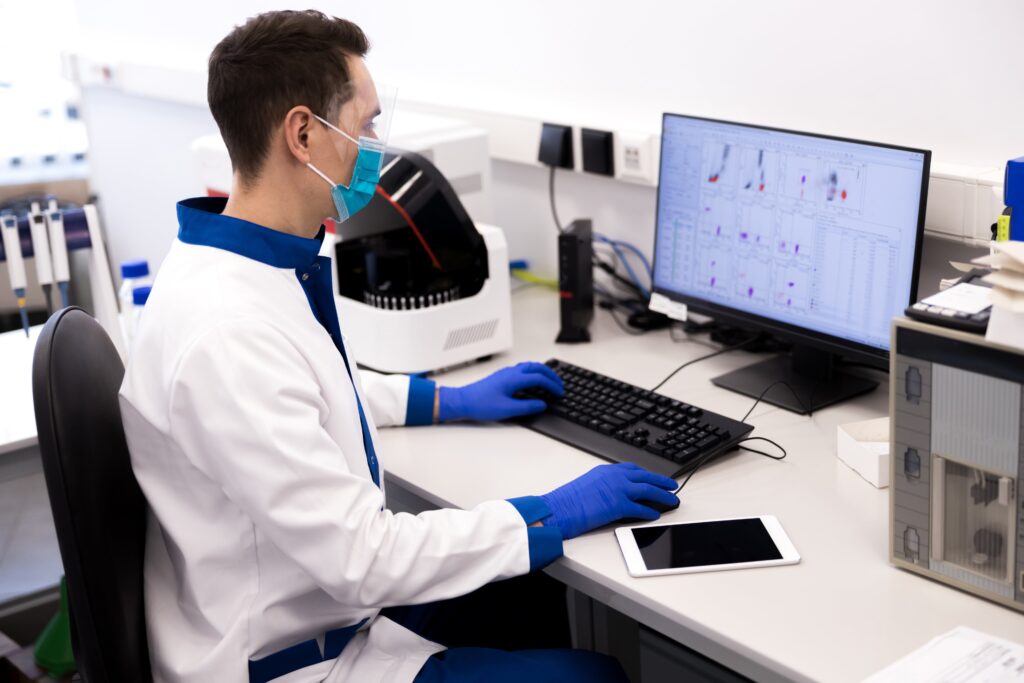
Digital pathology is a cutting-edge approach to pathology that involves converting glass slides into high-resolution digital images. Instead of examining tissue samples under a traditional microscope, pathologists can now view, analyze, and share these images on a computer screen using specialized software. This shift from analog to digital opens the door to a host of modern capabilities in diagnostics, education, and research.
At the core of digital pathology is whole slide imaging (WSI)—a technology that scans entire microscope slides at high magnification and turns them into digital files. These images can then be stored, annotated, zoomed in on, or shared remotely, allowing for greater flexibility and access.
Digital pathology is more than just scanning slides—it also includes:
- Telepathology: the remote review of pathology cases in real time, especially valuable for hospitals in rural or underserved areas.
- AI-assisted diagnostics: software tools that help identify patterns or anomalies in tissue samples, aiding pathologists in making more accurate and consistent diagnoses.
- Digital archiving: storing vast amounts of data securely and efficiently without the physical space constraints of traditional slide storage.
Digital Pathology Benefits
1. Improved Workflow Efficiency
Digital pathology significantly streamlines traditional laboratory workflows. Slides can be scanned, digitized, and accessed within minutes, eliminating the delays in transporting physical specimens. Automation and image management software also reduce repetitive tasks, allowing pathologists to focus more on diagnosis and less on administrative work.2. Enhanced Collaboration and Remote Access
One of the most powerful advantages of digital pathology is the ability to share cases instantly, regardless of location. Remote consultations, second opinions, and multidisciplinary team meetings become more efficient when everyone can view the same slide in real time. This especially benefits healthcare systems with satellite locations or specialists across regions.3. Data Storage and Retrieval
With digital pathology, entire slide archives can be stored electronically, minimizing the need for bulky physical storage. Digital records are easy to organize, search, and retrieve, which improves workflow and reduces the risk of lost or damaged specimens. Long-term data retention also supports research, audits, and quality assurance programs.4. AI Integration and Decision Support
Artificial intelligence and machine learning tools are increasingly integrated into digital pathology platforms. These tools can analyze slides for patterns, detect abnormalities, and even assist in grading tumors or flagging urgent cases. By providing decision support, AI helps improve diagnostic consistency and can serve as a safety net for complex or high-volume workloads.5. Education and Training Applications
Digital pathology transforms how pathology is taught and learned. Students and residents can access various digital slides from anywhere, allowing for standardized learning experiences across institutions. Educators can also use annotation tools, virtual slide boxes, and real-time slide sharing to enhance engagement and practical training.Disadvantages of Digital Pathology
1. High Initial Costs
Implementing digital pathology requires significant upfront investment in slide scanners, storage infrastructure, software platforms, and ongoing maintenance. This cost can be a major barrier for smaller labs or institutions with limited budgets. Over time, the system may prove cost-effective, but the initial transition can be financially challenging.2.Regulatory and Legal Hurdles
Digital pathology systems must comply with strict regulatory standards, such as FDA approval in the U.S. and HIPAA guidelines for data security and patient privacy. Navigating these legal requirements can complicate implementation, especially when sharing images across borders or integrating with existing hospital systems.3. Image Quality and Compatibility Issues
Not all scanners or software platforms produce the same image quality or use compatible formats, which can cause issues with analysis or sharing. Compression, file size, or scanner calibration may impact the clarity and accuracy of digital slides. This lack of standardization can hinder interoperability across institutions.4. IT and Cybersecurity Challenges
As digital pathology relies heavily on IT infrastructure, it demands reliable networks, sufficient bandwidth, and secure data storage. The risk of cyberattacks or data breaches is a growing concern in healthcare, and maintaining compliance with security protocols requires continuous oversight and resources. Downtime or system errors could also delay diagnosis.5. Resistance to Adoption and Training Needs
Some pathologists and lab staff may hesitate to adopt new digital tools, especially those unfamiliar with advanced technology. Transitioning from microscope-based diagnosis to screen-based workflows requires time, training, and mindset shifts. This resistance can slow adoption and reduce system effectiveness without adequate support.Is Digital Pathology Right For You?
Digital pathology isn’t a one-size-fits-all solution, but it offers game-changing advantages for many healthcare and research environments. Whether it’s the right fit depends on your organization’s goals, scale, and existing infrastructure.
Digital pathology could be a wise investment if you’re looking to improve diagnostic turnaround times, enable remote collaboration, or integrate AI tools into your workflow. However, before making the transition, weighing the initial costs and the readiness of your team or facility is essential.
The following individuals and organizations are especially well-positioned to benefit from digital pathology systems:
- Large hospitals and medical centers seeking faster diagnostics and multi-departmental collaboration
- Independent pathology labs handling high case volumes or operating in multiple locations
- Telemedicine and telepathology providers who need remote slide access for consultations
- Medical schools and teaching hospitals aiming to modernize training with virtual microscopy
- Pharmaceutical companies and CROs conducting research that requires scalable slide analysis
- Cancer centers and specialty clinics working with complex or rare pathology cases that benefit from AI assistance
- Academic researchers building digital tissue libraries for clinical or epidemiological studies
- Innovative health tech companies integrating AI-powered diagnostic tools with imaging platforms
Pair Your Digital Pathology System with Reliable FFPE Tissues
Digital pathology is revolutionizing how tissue samples are analyzed, shared, and stored, bringing greater speed, precision, and collaboration to the field of diagnostic medicine. The benefits of digital pathology are clear, from improved workflow efficiency to AI-assisted diagnostics. However, weighing these against potential disadvantages, such as cost, infrastructure needs, and regulatory requirements, is important. As the industry evolves, digital pathology will become even more powerful when paired with high-quality sample sources. Formalin-fixed, paraffin-embedded (FFPE) tissue samples remain essential for both traditional and digital pathology workflows, providing the stability and integrity needed for accurate analysis.
That’s where biobanks like Superior Biodiagnostics come in. As a trusted provider of FFPE tissue samples, Superior Biodiagnostics offers well-preserved, ethically sourced normal, disease-state, and malignant specimens to support research, diagnostics, and clinical advancements. Whether you’re implementing a digital pathology system or conducting biomarker discovery, having access to reliable tissue samples is key to ensuring success. Order from Superior BioDiagnostics to receive the highest quality tissue samples you need.
By combining cutting-edge technology with trusted biological materials, the future of pathology is not only digital but also more connected, scalable, and impactful than ever before.