Superior Pathology

Categories
Uncategorized

Biospecimen Storage & Preservation: A Guide for Researcher

Biospecimen Storage & Preservation: A Guide for Researchers

Biospecimens are a key part of modern scientific research. After collection, tissue samples are preserved and prepared for distribution, ensuring researchers receive only the highest-quality tissue samples. During the preservation process, it’s vital to maintain biospecimens’ original structures and molecular makeups. One misstep in this process could compromise the tissue sample’s effectiveness for research purposes and drug development. This information raises the question: how exactly do you store biospecimens effectively?

In this blog post, we share everything you need to know about biospecimen storage. We answer common questions such as, “What’s the best way to preserve tissue samples?” and “Why is tissue preservation important?” We also share 3 best practices for the tissue preservation process. Keep reading to find out how you can keep tissue samples in top condition from collection to distribution!

Why is Tissue Preservation Necessary?

Proper biospecimen storage is a vital element of scientific research. Whether you’re preparing tissue samples for microscopic slides or need to extract the biospecimen’s molecules for DNA and protein analysis, tissue preservation is a skill you need to learn or, at the very least, understand.

Human tissue samples for use in oncology, spatial biology, pathology, and other biological research fields can lose their integrity and reliability without the proper temperatures and preservation conditions. The primary purpose of tissue preservation is to maintain the tissue’s original molecular and structural state without losing quality and deterioration.

Tissue preservation is especially important for long-term research and studies. Well-preserved biospecimens can be stored at a biobank for countless years, providing invaluable resources for a variety of medical research purposes. Long-term tissue sample storage allows researchers to re-examine high-quality biospecimens over the years in light of new scientific discoveries or upgraded techniques. 

Let’s take a look at a few of the best preservation methods for tissue samples.

3 Common Preservation Techniques Used for Human Tissue Samples

There is a diverse range of preservation methods within biospecimen storage. From freezing tissue samples in extremely low temperatures to fixating specimens in chemicals, tissue preservation is a learned science all on its own. However, the scientific community has relied on several popular preservation methods over the past few decades. Below are the 3 common preservation techniques scientists use for biospecimen storage

Snap-Frozen and Cryopreservation

Perhaps the most well-known preservation method is the act of freezing tissue samples. Scientists take one of two paths when freezing biospecimens: snap-freezing or cryopreserving. Let’s take a closer look at each of these preservation processes: 

Snap-freezing is the process of rapidly cooling tissue samples to temperatures below -70℃ using dry ice or liquid nitrogen. If using liquid nitrogen, researchers will place collected biospecimen samples on a cryomold or wrap them in foil, immerse them in the nitrogen, and immediately freeze them. On the other hand, researchers can use the dry ice method, placing the specimen on prepared dry ice. This method takes longer than liquid nitrogen and isn’t the preferred method. Snap-frozen tissue samples are stored in -80℃ freezers.

Cryopreservation is a long-term method of preserving samples at very low temperatures (-196℃ to -250℃) to preserve the overall integrity of cells and tissue. Cryopreservation involves the use of cryoprotectants (e.g., ethylene glycol, dimethyl sulfoxide, glycerol, etc.) to protect biospecimens from damage during the preservation process, specifically from ice crystals forming. 

Freezing tissue samples, whether through cryopreservation or snap-freezing, is a reliable preservation method used for long-term biospecimen storage. Tissue samples can be frozen for several years, maintaining their original structure and quality for an extended period.

Formalin-Fixed Paraffin-Embedded

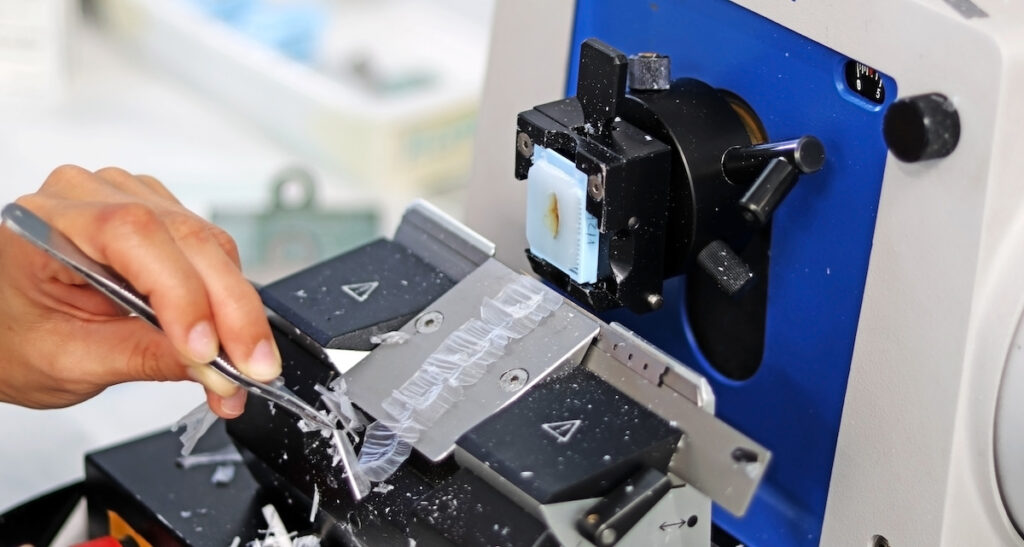
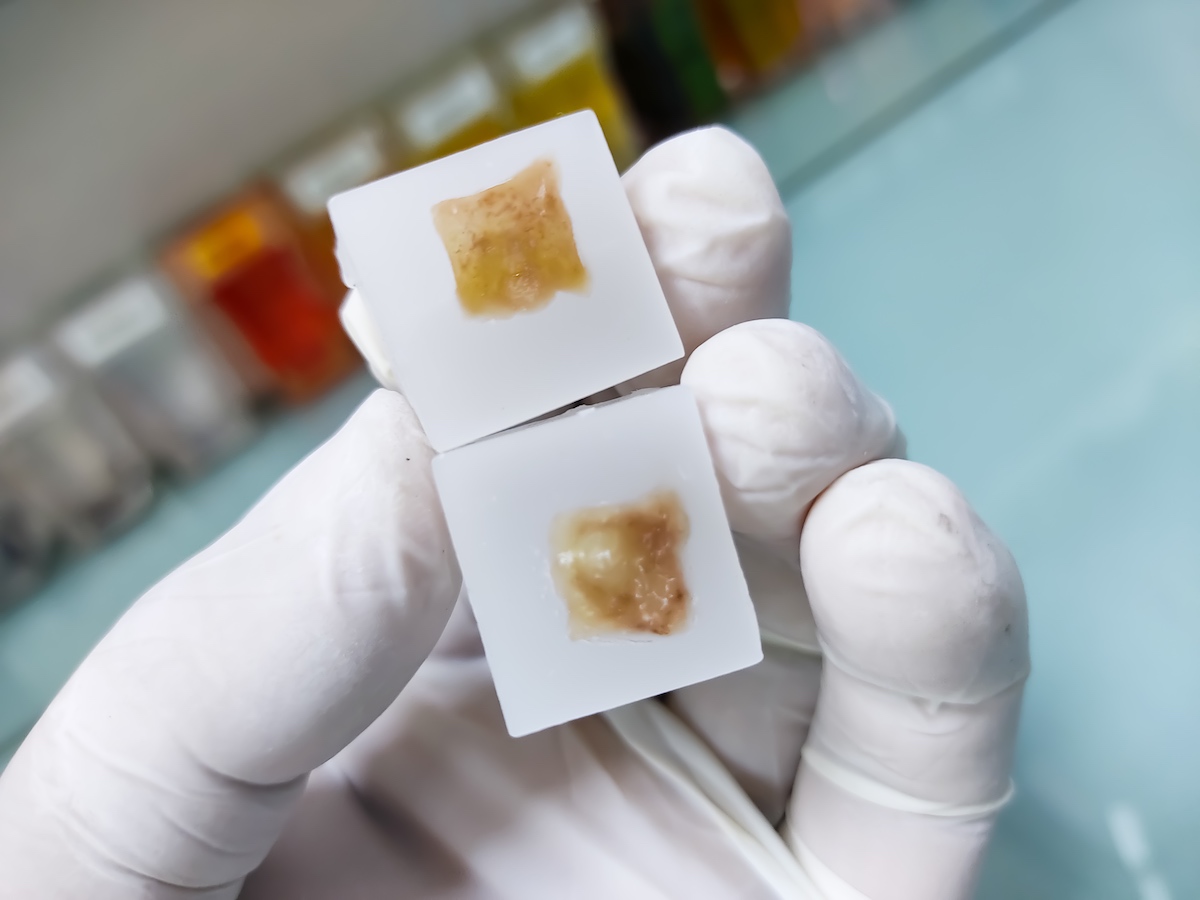
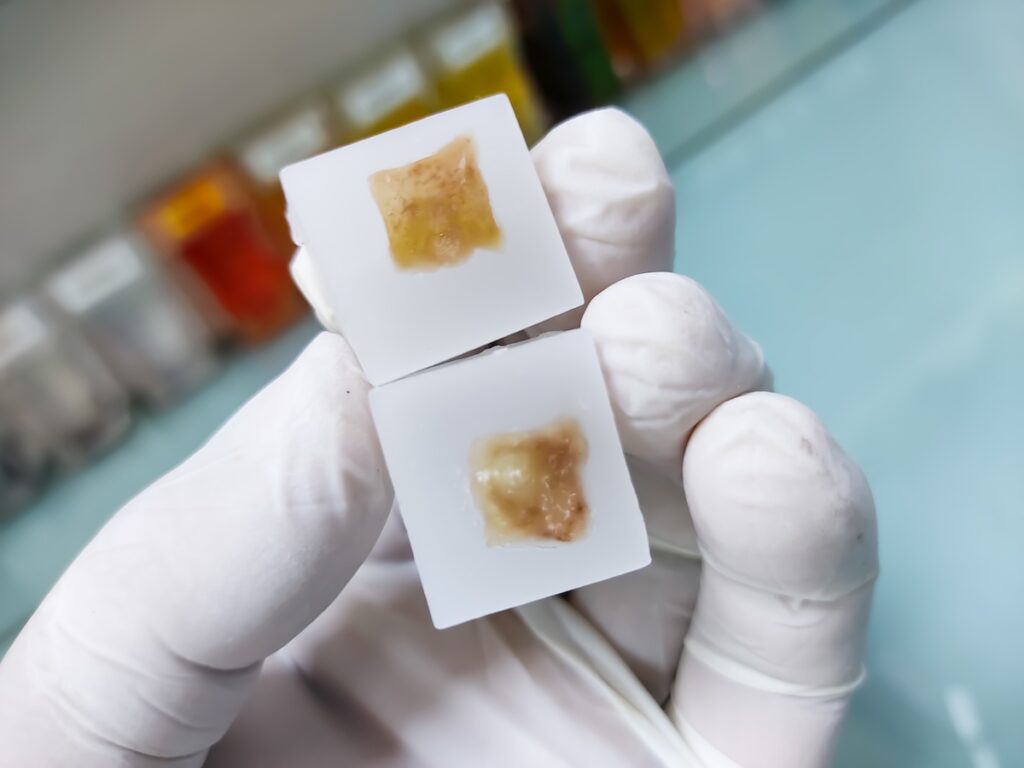
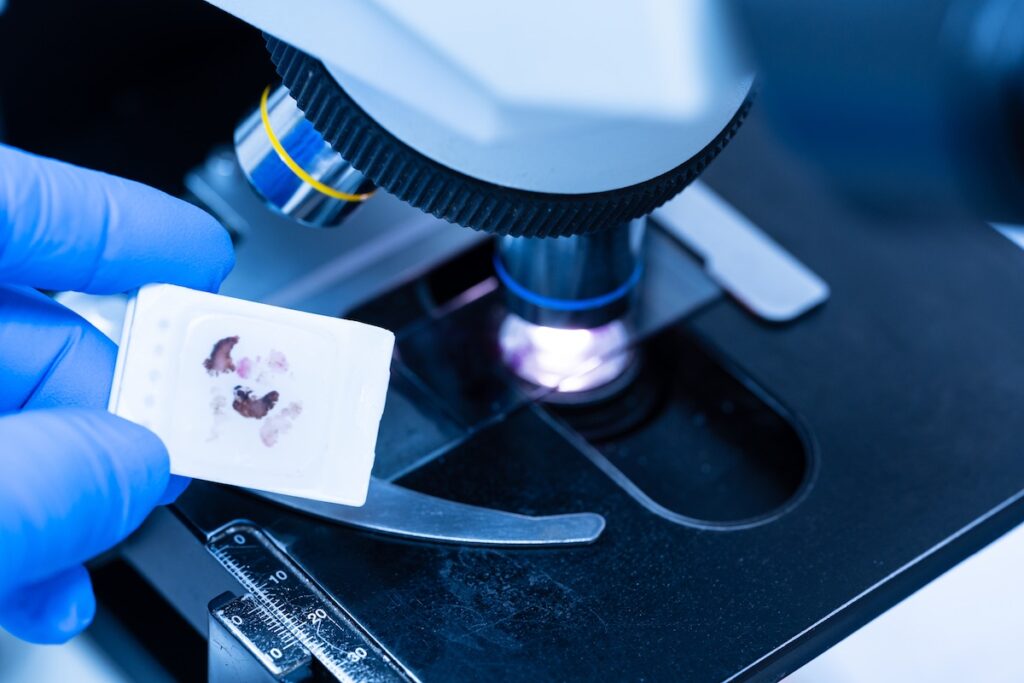
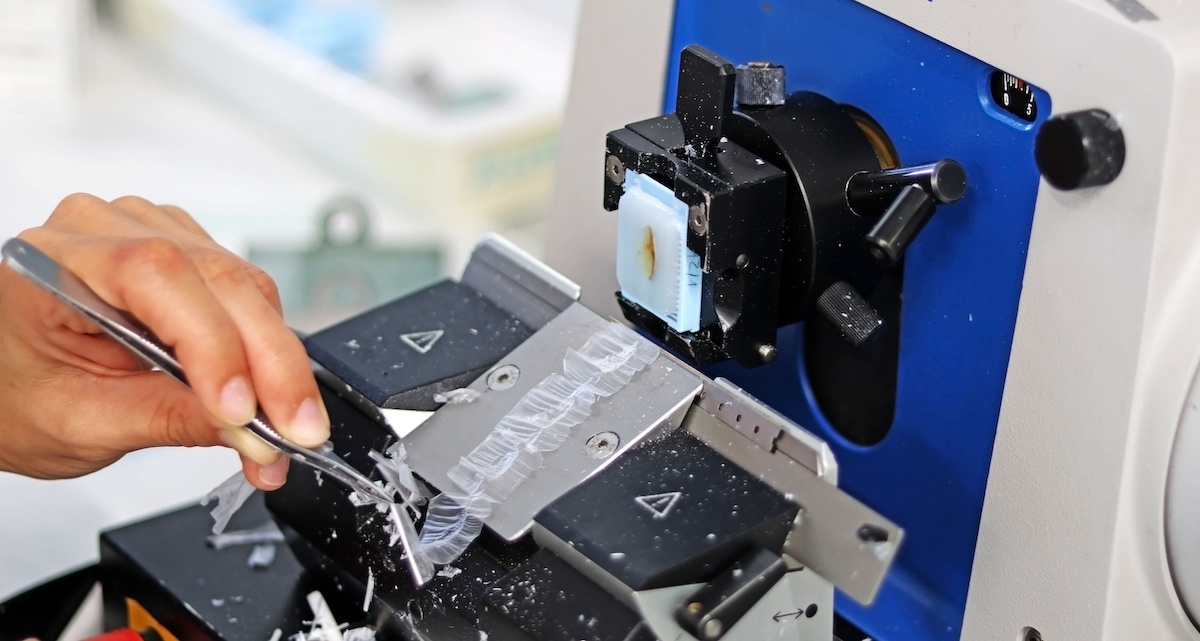
Chemical fixation and embedding is another trusted preservation method for tissue samples. Formalin-fixed paraffin-embedded (FFPE) biospecimens are immersed in a fixative of 10% formalin. Formalin immediately stops the biological and cellular activity within specimens, stopping the decay process right after fixative immersion. After 18–24 hours, fixed specimens are then dehydrated using ethanol and prepared for embedment. The tissue samples are then embedded in paraffin wax, making it easier for the specimens to be sliced and mounted on microscopic slides. 

FFPE tissue samples can be stored indefinitely in biobanks, hospitals, laboratories, or research centers. For quality assurance reasons, fixed and embedded specimens should be stored at 4℃ with limited light exposure. FFPE tissues are compatible with a variety of histological staining techniques, such as immunohistochemistry (IHC), allowing researchers to find and locate protein structures within the biospecimen. Fixing and embedding tissue samples preserves the cellular and tissue structure of specimens, which is essential for histopathological studies. If stored at room temperature, FFPE samples can be stored for an extended amount of time, making it possible to curate extensive archives of specimens that can be used for future analysis. The fixing and embedding process of FFPE specimens is also well-standardized across the board, leading to consistently pure samples, which is paramount for comparative research.

Other Short-Term Techniques

Apart from freezing and FFPE techniques, there are other shorter-term preservation methods for biospecimen storage. Hypothermic preservation, for example, slows down the chemical processes occurring in human tissues and protects refrigerated specimens from cold-induced injuries. Tissue samples are bathed in a cold storage solution, preserving them for no longer than 1 to 2 days in low temperatures. 

Depending on the type of tissue sample, researchers can also store specimens in a refrigerator with a temperature of 2–8℃. Biospecimens stored in a refrigerator will stay preserved for just a few days, so it’s important to utilize these samples quickly for research purposes.

3 Best Practices for Tissue Preservation

Biospecimen storage is an extremely important step of tissue procurement and preservation. Here are 3 best practices to implement when storing tissue samples:

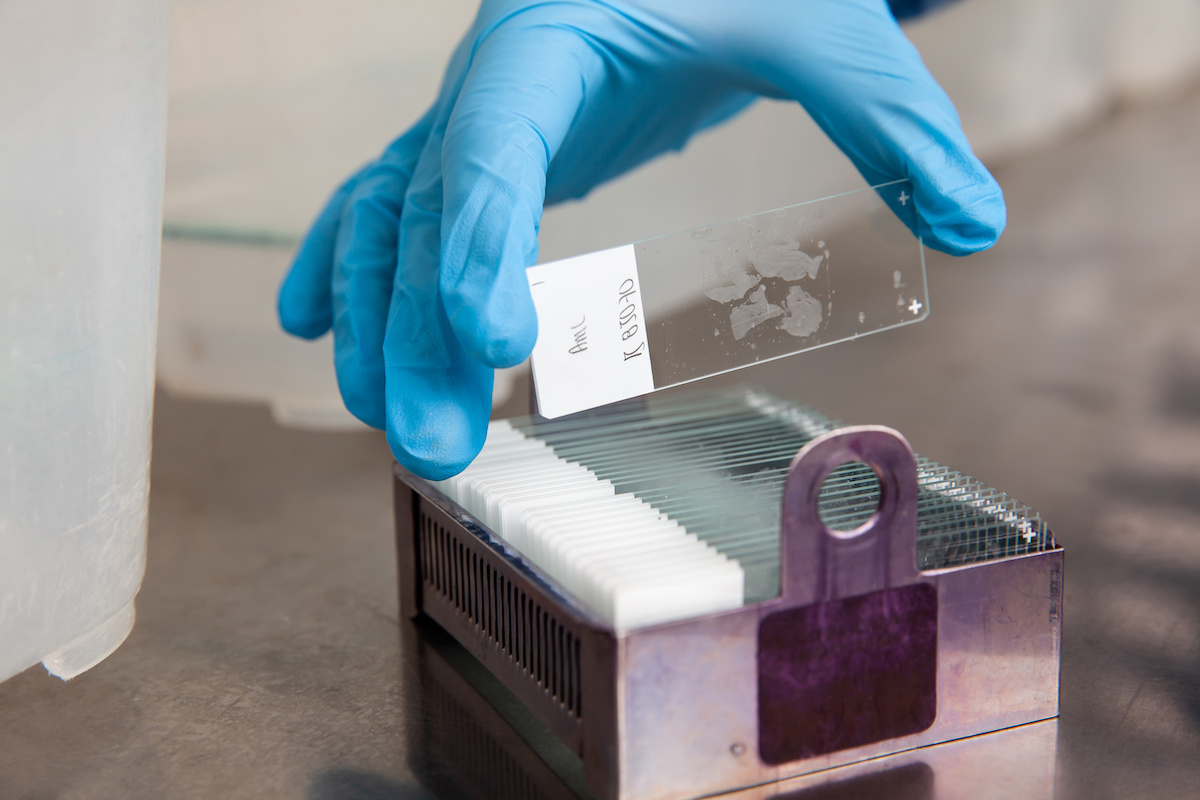
  1. Label Tissue Samples: Label tissue samples with collection date, tissue type, and preservation technique. You can also include donor demographics such as age, gender, and ethnicity. Labeling biospecimens with as much information as possible reduces errors down the line and maintains traceability for future research needs.
  2. Avoid Contamination: Rapid processing is a top priority in tissue preservation. If you want to ensure quality control, minimize the time between human tissue collection, transportation, and preservation as much as possible. Make certain that tissue samples are being handled with care and adhering to ethical guidelines 100% of the time. Rapid processing prevents the risk of unnecessary tissue contamination. 
  3. Prevent Degradation: Consistently check the condition of the stored biospecimens, ensuring the preservation methods are effective. Monitor and log the biospecimen storage temperatures, preventing degradation and breakdown of structural integrity. 

Consistency is key when it comes to tissue preservation. If you prioritize labeling samples, rapid processing, and monitoring tissues day in and day out, stored biospecimens will stay in top-notch condition. 

Preserved Tissue Samples For Your Research Goals

Superior BioDiagnostics understands how important it is to obtain tissue samples that are preserved in top-tier facilities. We provide researchers, laboratories, medical facilities, and more with high-quality biospecimens. Our team’s #1 goal is to maintain each tissue sample’s original structural and molecular state, ensuring you get the purest biospecimens for your research needs. 

Our biobank carries thousands of FFPE tissue samples, including normal, malignant, and disease-state biospecimens. Superior BioDiagnostics collects 100% US-procured chemically fixed and embedded tissue samples from the following anatomical sites: breast, lung, brain, muscle, skin, and more. Contact our biorepository to order specimens in the form of blocks, slides, and sections for your analysis. 

Categories
Uncategorized

What Are FFPE Human Tissue Samples? Everything You Need To Know

FFPE Human Tissue Samples: Everything You Need to Know

FFPE Human Tissue Samples: Meaning & Importance in Research

FFPE human tissue samples have enhanced research for decades and enabled groundbreaking healthcare discoveries. If you’re new to the FFPE preservation process, you may be curious about this method of tissue conservation that modern scientists swear by. 

This article explains what FFPE means and how FFPE tissue samples are used. We also share the differences between fresh frozen tissue and FFPE specimens. Keep reading to learn how FFPE human tissue can impact your critical scientific studies!

What is FFPE Tissue & How is it Collected?

To keep collected specimens in pristine condition, they must undergo the FFPE preservation process. FFPE stands for Formalin-Fixed Paraffin-Embedded tissue. What exactly does that mean? FFPE is a form of preservation for biospecimens, involving fixing them in formalin and embedding each sample in paraffin wax to keep the cells intact. FFPE tissue samples enhance scientific research and diagnostic development. Let’s take a look at what tissue samples undergo during the FFPE preservation process.

Before starting the FFPE process, tissue blocks need to be collected from a donor. Biobanks collect biospecimens through various methods. Blood, saliva, or tissue samples can be left over following lab tests, surgeries, and other health appointments. With consent from the patient to donate, these samples can then be sent to a biobank. For example, if a patient sees a doctor and a blood or tissue specimen is taken, part of that sample can be set aside for a biobank. Donating samples to a biobank is 100% voluntary, and participants are asked to sign a consent form upon contribution. Biobanking is also fully confidential, and donors’ personal information will stay private throughout the entire process. The accumulated specimens can be sourced from diseased and normal tissue donors.

After excision, the tissue samples are fixed in a solution of 10% neutral-buffered formalin, stopping any biological or cellular activity in the specimen. Formalin conjoins proteins within the tissue to form chemical bonds, resulting in stable protein structures that cannot perform their biological functions. At this point, the natural decay process of tissue is halted altogether. After 18–24 hours, the samples are dehydrated using ethanol to eliminate any water that may disrupt the preservation effect of the paraffin wax. The specimen is then embedded in paraffin wax, ensuring the tissue can easily be cut into different-sized slices to mount on a microscopic slide for analysis or testing. 

Once tissue samples are preserved, they’re stored in large biorepositories, hospitals, or research centers. Biorepositories, or biobanks, usually keep records on each specimen, such as when the tissue was collected and preserved and the donor’s demographics (age, gender, ethnicity, stage of diseased tissue, etc). It’s also necessary for those collecting the biospecimens to hold onto the signed consent forms from the donor and any other legal documents that could impact whether the use of FFPE tissue is permitted or not.

How FFPE Human Tissue Samples Are Used

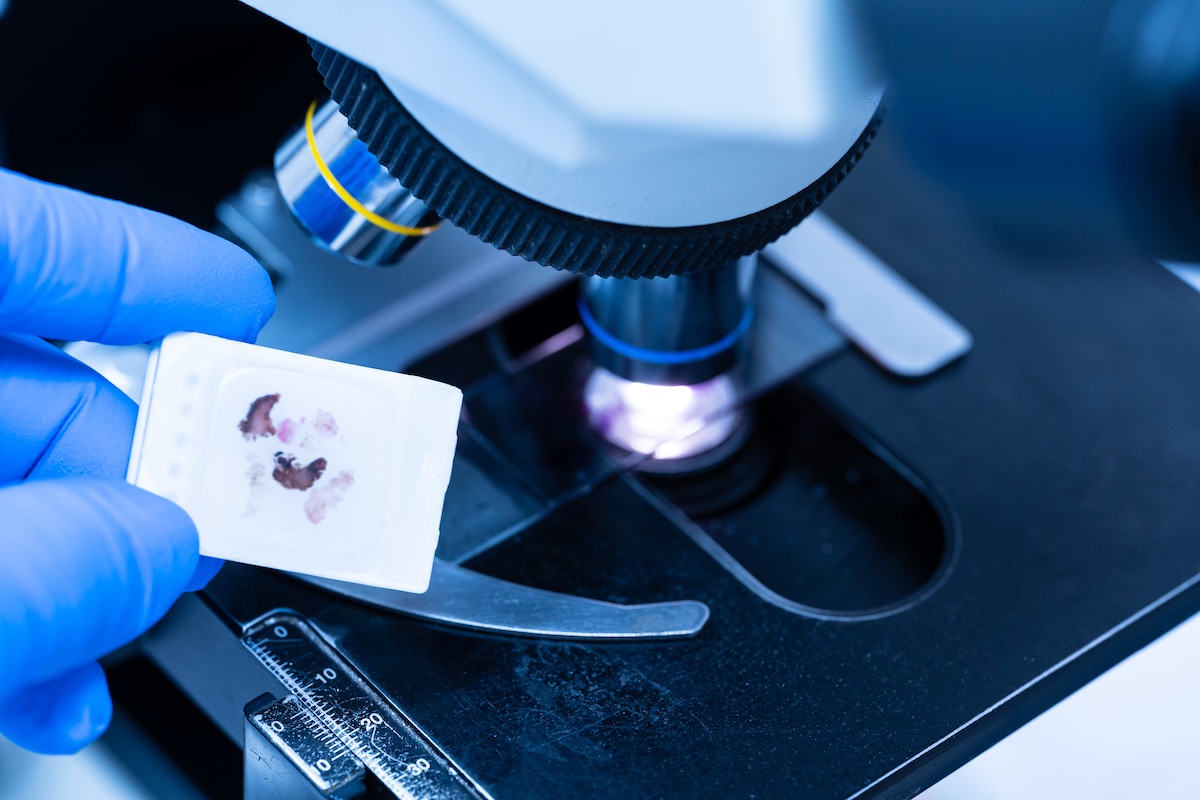
FFPE samples are a staple for modern research. The mainstream use of FFPE human tissue is for a scientific application called immunohistochemistry (IHC). IHC is one of the most common types of immunostaining. During the immunostaining process, tissue sections are mounted on a slide and soaked in a solution containing antibodies that bind to particular structures or proteins. IHC stains aid in visualizing antibodies, which, in turn, reveal what antigens are present in the tissue sample.

Information collected during IHC is commonly used to diagnose cancer, predict treatment response, and diagnose other medical conditions. For example, a healthcare provider may remove part of a tumor and send it to a commercial laboratory to test for cancer cells. Once received, a pathologist may use IHC techniques to study the tissue sample and determine the outcome. IHC can also detect cancer biomarkers—specific proteins that give insight into tumor type, aggressiveness, and potential therapeutic targets. In addition, hematoxylin and eosin (H&E) staining, a foundational technique in histology, is often used alongside IHC to evaluate tissue morphology and structure. Other applications of FFPE human tissue include the following:

  • Hematology: Researchers often use FFPE tissue samples to study blood-related disorders. Hematology is a vital field of research that has led to the discovery of numerous cures for diseases caused by abnormalities in the blood. FFPE samples can be used for nucleic acid and protein extraction to study genetic mutations, protein expression, and biomarkers related to hematologic diseases. The study of hematology also applies to tissue regeneration, genetics, and toxicology.
  • Immunology: This area of analysis concerns the response of the immune system in both normal and diseased states. Examining FFPE specimens from an individual with an autoimmune disease can help researchers recognize how and why the disease started. Immunology also contributes to the development of treatment or therapy for those with an autoimmune disease. 
  • Comparative Research:This involves collecting FFPE tissue samples from 100% healthy donors to differentiate varying types of biospecimens. In addition to using disease-state tissue for analysis, healthy samples can also be used for a variety of research and development purposes. Combined with DNA, RNA, and protein analysis, comparative studies offer a more complete understanding of normal and pathological human biology.

FFPE tissue samples have become a favorite for researchers and laboratories worldwide. However, this isn’t the only preservation technique out there. Fresh frozen specimens are also trusted by scientific researchers around the globe. Let’s take a look at the main differences between these protective measures.

FFPE vs Fresh Frozen Tissue: 3 Reasons To Use FFPE Tissue

Compared to fresh frozen biospecimens, FFPE samples have numerous advantages, including decreased cost, easier storage, increased availability, and multiple-use scenarios for scientific purposes. Below are 3 reasons to consider FFPE tissue samples over fresh frozen biospecimens:

  1. It’s typically easier and more cost-effective to store FFPE samples. When storing fresh frozen specimens, you’ll need an expensive freezer that requires consistent maintenance and massive amounts of energy. On the other hand, FFPE tissue can be kept at ambient room temperatures, making it simpler and more manageable to store over time.
  2. FFPE tissue samples are more durable than fresh frozen specimens. While FFPE samples don’t need to be refrigerated to stay pristine, frozen tissue quickly deteriorates in room-temperature environments. Bear in mind that, if you’re looking for specimens made to last, FFPE preservation methods are the way to go.
  3. A single FFPE specimen can be used multiple times for various studies. If the tissue samples require immunostaining and morphological analysis, using FFPE specimens is preferred since an individual sample can withstand being used for numerous tests.

Although FFPE tissue samples have the upper hand in some ways, it’s essential to keep in mind that specific research requires the use of fresh frozen specimens. For example, if you need to study native morphology or examine cell decay, you’ll need to invest in frozen tissue samples. Fresh frozen specimens are also commonly used to analyze DNA, RNA, and native proteins, while FFPE samples may not be suitable for these purposes. When deciding between FFPE or frozen samples, consider what your research requires and which method best suits your needs.

Order FFPE Human Tissue Samples from Superior BioDiagnostics

If you’d like to experiment with FFPE human tissue samples, Superior BioDiagnostics is the biobank for you. With thousands of specimens collected from a variety of anatomical sites, our biorepository has what you need to further your research. We ship malignant, normal, and disease-state human tissue samples to commercial laboratories, pharmaceutical developers, leading researchers, and more.

When you order from Superior BioDiagnostics, our team can include data on the sample’s tumor type (if applicable), TNM stage or histologic grade, and donor demographics. Don’t wait to experience how our high-quality FFPE tissue samples can catalyze your scientific research. Contact us to obtain the FFPE specimens you need to achieve your research goals.

Categories
Uncategorized

Biobanking 101: What is a Biobank and Why Are They Important for Healthcare?

Biobanking 101: What is a Biobank and Why Are They Important for Healthcare?

Did you know that biobanks are perhaps one of the most critical parts of the health industry? Biobanking is the future of superior healthcare and definitive answers to scientific questions. However, you may not know much about what biobanking actually is and how it contributes to health services. 

In this article, we describe what a biobank is and why these facilities are so important. We also use this article to answer common questions regarding biobanking! Let’s start with the definition of a biobank.

What is a Biobank?

A biobank, or biorepository, is a facility that collects and stores biological samples for research purposes. Biobanks often carry the following types of human samples:

  • Blood
  • Human Tissue
  • Tumor Cells
  • Saliva
  • Urine 
  • DNA

Biobanks can also generate significant data on every sample (e.g., family history, genetic information, health records, etc.) to enhance the analysis process. While biobanks primarily carry human biospecimens, these facilities can also hold various animal biological samples. A biorepository is like a safety deposit at a bank—it keeps valuable samples safe until they’re needed. Biobanks provide scientists, researchers, laboratories, and pharmaceutical developers with samples that are vital for the following areas of study: oncology, hematology, immunology, spatial biology, and more. Biorepositories are a necessary addition to the healthcare industry and aid researchers in making groundbreaking discoveries.  

Why Is Biobanking Important?

Without biobanks, researchers wouldn’t be able to perform transformative studies that improve human health. Biobanking allows the scientific industry to answer challenging research questions. Not only that, but biorepositories expand our understanding of the human body when it comes to health and disease; stored samples contribute to discovering new and improved ways to treat a vast variety of medical conditions. It’s a well-known fact that health research can take years to complete and an expansive number of people donate their samples and data to get impactful results. However, what if we told you that biobanks can drastically cut down the time and effort it takes to perform research? Biorepositories immediately speed up scientific studies by having samples and additional data available upon researchers’ requests. 

For decades, biospecimen research has resulted in new tests for diagnosing diseases, the development of more effective treatments, and increased quality of life for individuals experiencing chronic illness. There is still so much to be discovered within the health industry, and biobanks play a foundational part in contributing to the discovery of life-altering answers and the improvement of healthcare overall for years to come.

3 FAQs About Biobanking

Here are 3 FAQs we regularly hear about biobanking:

How Do Biobanks Secure Samples?

Biobanks collect biospecimens through various methods. Samples of blood, saliva, or tissue can be left over following lab tests, surgeries, and other health appointments. With consent from the patient to donate, these samples can then be sent to a biobank. For example, if a patient sees a doctor and a blood or tissue specimen is taken, part of that sample can be set aside for a biobank. Donating samples to a biobank is 100% voluntary, and people who participate are asked to sign a consent form upon contribution. Biobanking is also fully confidential, and donors’ personal information will stay private throughout the entire process.

Who Can Donate to a Biobank?

Biobanking is an impactful way to further healthcare research. The great news is that biobanks collect samples from just about anyone! In fact, the more diversified the samples are, the more impactful the biobank is. Biobanks must carry a plethora of specimens from numerous types of donors to promote the advancement of the medical field. Samples within a biobank can carry diseases such as cancer, Alzheimer’s, diabetes, autoimmune disorders, and other rare illnesses. On the other hand, biorepositories also hold samples from donors who are fully healthy without a trace of sickness. Many biobanks collect malignant, normal, and disease-state samples from the same donor to enable controlled testing and comparative research. 

Where Can I Order Samples From a Biobank?

Researchers commonly order biosamples online. Numerous hospitals, research centers, and scientific organizations create biobanks to help progress the health industry. When searching for a biobank, you’ll want to make sure to find one that follows strict quality control guidelines and only collects the highest quality biospecimens. The biobank you should order from also depends on what you’re looking for whether that’s FFPE human tissue or DNA samples. If want to partner with a trusted international biorepository, you’ll want to check out our online biobank!

Invest in High-Quality Tissue Samples From an International Biobank

Do you need various types of human tissue samples for your analysis and testing? Superior BioDiagnostics is here to help. We’ve got thousands of normal, malignant, and disease-state tissue specimens stocked at our facility. From the get-go, we follow stringent quality control guidelines and ensure the collected samples are kept in pristine condition. Superior BioDiagnostics specializes in FFPE human tissue samples from the following anatomic sites: breast, cervical, lung, muscle, uterus, and more.

Whatever it is you need, we’ve got it at our biobank. With every order, we can include data on the sample’s tumor type (if applicable), TNM stage, histological grades, and donor demographics. Contact Superior BioDiagnostics to order your tissue samples and enjoy next-day shipping!